
Sauces & Condiments
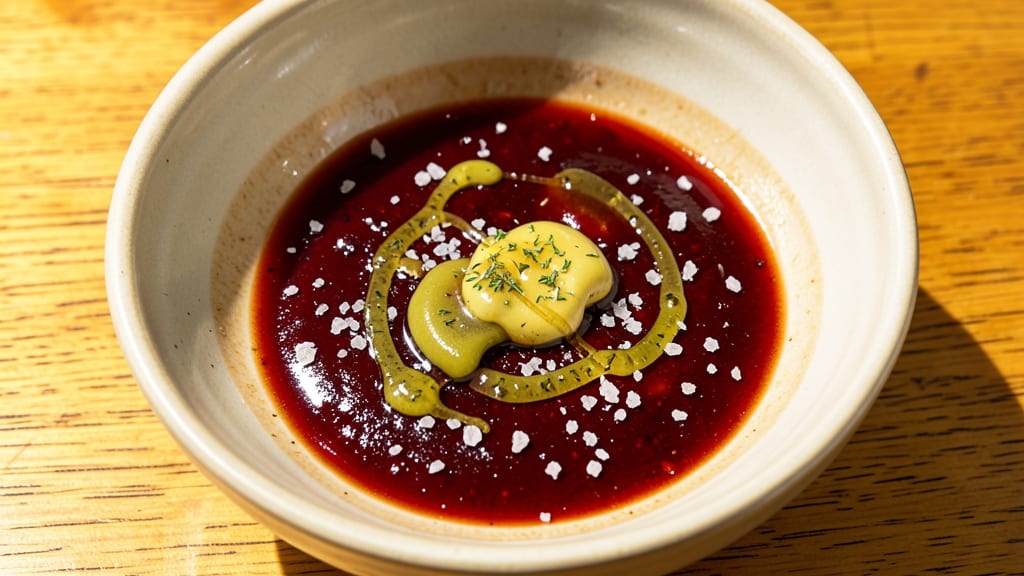
This balsamic glaze salad dressing transforms ordinary greens into a restaurant-worthy masterpiece with just five ingredients and 10 minutes of active time. The secret lies in reducing balsamic vinegar into a glossy, sweet-tangy syrup that emulsifies perfectly with olive oil—no blender required.
I developed this recipe after years of testing, and it’s now my go-to for adding depth to salads, grilled meats, or even roasted vegetables.
The magic happens when you simmer balsamic vinegar until it thickens into a glossy reduction, then whisk it with olive oil, Dijon mustard, and a touch of honey for balance. This method ensures the dressing stays stable and clings beautifully to leaves or proteins, rather than pooling at the bottom.
The result? A dressing that’s rich, complex, and irresistibly glossy, with a perfect harmony of sweetness and acidity.
What makes this dressing truly versatile is its ability to elevate simple ingredients—drizzle it over arugula with shaved parmesan, toss it with grilled chicken, or even use it as a finishing sauce for bruschetta. The best part?
It keeps well in the fridge for up to 2 weeks, so you can make a batch ahead and always have a gourmet touch ready. No more store-bought bottles with mysterious ingredients.
For extra flair, finish with a sprinkle of flaky sea salt or fresh herbs like thyme or basil. The dressing’s versatility means it works equally well on summer salads or hearty winter dishes, making it a year-round staple. Let’s get started—your taste buds will thank you.
Ingredients for balsamic glaze salad dressing
Five simple ingredients create this restaurant-quality glaze that takes salads to new heights.
| Ingredient | Amount | Notes |
|---|---|---|
| Balsamic Vinegar 🍷 | ½ cup | High-quality aged variety preferred |
| Extra-Virgin Olive Oil 🫒 | ½ cup | Light or fruity for balance |
| Dijon Mustard 🌿 | 1 tbsp | Whole-grain preferred for texture |
| Honey 🍯 | 1 tbsp | Wildflower for floral notes |
| Flaky Sea Salt 🧂 | ½ tsp | For finishing touch |
The balsamic vinegar is the star here—aged balsamic from Trader Joe's or Costco makes all the difference. Look for bottles labeled 'aged' or 'extra aged' (at least 12 years) for that deep, caramelized flavor. The olive oil should be light or fruity—none of that bitter, peppery stuff. California Extra Virgin brands like Corto or Bertolli work perfectly. Pro tip: Use a small saucepan with high sides to prevent splattering while reducing the vinegar—this is where most people mess up.
No aged balsamic? Regular balsamic vinegar works in a pinch, but it won't be as rich. Swap honey for maple syrup if you're avoiding it (though I won't judge—this dressing is delicious either way). For the mustard, whole-grain Dijon adds texture, but regular Dijon is fine too. The key is to taste as you go—add more honey if it's too tangy, or a splash of vinegar if it's too sweet. Want extra depth? A pinch of black pepper or fresh thyme leaves (removed after infusion) can elevate it further.
This dressing keeps beautifully—2 weeks in the fridge in an airtight jar. The glaze thickens as it sits, so give it a quick whisk before using. For extra shine, add 1 tsp water when storing. I like to make a double batch—half for salads, half to drizzle over grilled meats. The glaze reheats well too, so it's perfect for roasted vegetables. Just don't boil it, or it'll separate. Store it in the front of the fridge where it'll get used first!
Why You'll Love This Recipe
- Five-Ingredient Magic: I swear by this combo—just vinegar, oil, mustard, honey, and salt. No fancy gadgets, no stress, and honestly? It’s the dressing I reach for when I’m too tired to think.
- Sweet-Savory Balance: That honey and Dijon mustard team up to cut through the sharpness of the balsamic, leaving you with a glossy, tangy-sweet finish. It’s the kind of flavor that makes you pour it on everything—even when you’re not supposed to.
- Weeknight Workhorse: Drizzle it on greens for a quick lunch, toss it with roasted veggies for dinner, or even use it as a marinade. I keep a jar in the fridge because it’s my go-to for meals that feel fancy but take zero effort.
- No-Waste Wonder: A little goes a long way, so I make a big batch and let it sit. The flavors deepen over time, and I end up using it for days—on salads, grilled chicken, or even as a dip. My wallet (and my leftovers) thank me.
Step-by-step instructions for balsamic glaze salad dressing
This sweet-tangy dressing comes together in minutes with just five simple ingredients.
Warm the Balsamic Vinegar
Pour the 0.5 cup balsamic vinegar into a small saucepan and place it over medium-low heat. Let it warm for 3-4 minutes until it reaches about 160°F—you'll see it start to bubble gently and smell deeply caramelized. Don't walk away; balsamic can burn quickly once it starts reducing.
Here's the thing—warming the vinegar first helps it blend more smoothly with the other ingredients and intensifies its natural sweetness. You'll notice the aroma change from sharp to rich and fruity as it warms. Once it reaches this temperature, remove it from heat immediately and let it cool for 2 minutes before proceeding.
Whisk in Olive Oil and Mustard
Transfer the warm balsamic vinegar to a mixing bowl and let it cool slightly. Add the 0.5 cup extra-virgin olive oil and 1 tbsp Dijon mustard, then whisk vigorously for 1-2 minutes until completely emulsified. The mixture should thicken slightly and become smooth, with no visible streaks of oil.
I like to whisk by hand for this step because it gives me better control over the texture. If the dressing starts to separate, just whisk a bit more—you're looking for that silky, velvety consistency that clings beautifully to greens. The Dijon mustard adds depth and helps bind everything together.
Sweeten and Season
Stir in the 1 tbsp honey and 0.5 tsp flaky sea salt, whisking constantly until fully incorporated. The honey should dissolve completely, adding a delicate sweetness that balances the tangy balsamic. Taste and adjust the ratio if needed—you might want a touch more honey for extra sweetness or a splash more balsamic for more acidity.
This is where the magic happens—the honey rounds out the sharpness while the flaky sea salt adds a sophisticated finish. The flakes should melt slightly into the dressing, creating little bursts of saltiness with each bite. Let the dressing sit for 5 minutes at room temperature to allow all the flavors to meld together.
Thin to Desired Consistency
If the dressing is too thick, whisk in 1-2 teaspoons of warm water at a time until you reach your preferred consistency—it should coat the back of a spoon but still pour smoothly. For a thinner drizzle, add water gradually while stirring constantly. The dressing should be glossy and cling to the sides of the bowl slightly.
Here's a pro tip: If you're using this for salads, aim for a medium consistency that clings to greens without pooling. For drizzling over finished dishes, you can make it slightly thinner. Remember, you can always thicken it later by simmering it gently in a saucepan for 2-3 minutes if needed.
Pro Tips For Making Balsamic Glaze Salad Dressing
- Whisk in Stages: Start by mixing the balsamic vinegar and Dijon mustard first—this emulsifies the mustard’s gritty bits before adding oil. Then drizzle in the olive oil slowly while whisking like you’re beating eggs: too fast, and the dressing breaks; too slow, and you’ll regret the elbow grease later.
- Use Aged Balsamic: Skip the cheap stuff—aged balsamic (10+ years) adds depth and caramelized richness without thinning the dressing. If you’re in a pinch, reduce store-bought balsamic in a saucepan until syrupy (about half the volume), then cool it before mixing. The effort makes a real difference.
- Balance the Honey: Taste before adding all the honey—this dressing can turn cloyingly sweet fast. Start with 1 teaspoon, let it sit for 5 minutes, then adjust. The honey should complement, not overpower, the tangy vinegar and mustard’s sharpness.
- Salt at the End: Flaky sea salt should finish the dressing, not compete with it. Sprinkle it in last, right before serving, so the crystals stay visible and the salt’s texture contrasts the smooth glaze. (Yes, even if you’re impatient like me.)
Best sauces and condiments for balsamic glaze salad dressing
Classic Balsamic Vinaigrette
This is the simplest way to use your glaze—mix equal parts of your balsamic glaze with extra-virgin olive oil (about 1:1 ratio) and a pinch of freshly cracked black pepper.
Toss it with arugula, shaved fennel, and toasted pine nuts for a restaurant-worthy salad. The glaze’s sweetness balances the pepper’s bite, while the oil keeps everything luscious. 🌿
Grilled Meat Finisher
After grilling steak, chicken, or salmon, drizzle the warm glaze over the top while it’s still sizzling. The high heat caramelizes the sugars instantly, creating a glossy crust. I love this on ribeye steaks or grilled shrimp skewers—just add a sprinkle of fresh thyme right before serving.
For extra richness, mix the glaze with 2 tbsp melted butter before drizzling. 🔥
Cheese Board Drizzle
Transform a simple cheese board by drizzling the glaze over aged cheddar, brie, and goat cheese just before serving. The sweet-tangy contrast makes every bite unforgettable. Pair it with crackers, dried apricots, and walnuts for a perfect balance of textures.
For a fancy touch, add edible flowers or crispy prosciutto on the side. 🧀
Roasted Vegetable Glaze
Toss carrots, Brussels sprouts, or asparagus with olive oil, salt, and pepper before roasting at 400°F for 20 minutes. In the last 3 minutes, drizzle with the glaze and broil until bubbly.
The caramelized edges and glossy finish make even simple veggies feel gourmet. This works especially well with sweet potatoes or beets. 🥕
Pasta Sauce Twist
Stir 2-3 tablespoons of the glaze into alfredo sauce or pesto just before tossing with fettuccine or penne. The sweetness cuts through the richness, while the tang adds depth.
For a lighter option, use it as a finishing drizzle over cold spaghetti salad with cherry tomatoes and basil. 🍝
Breakfast Upgrade
Drizzle the glaze over avocado toast, ricotta pancakes, or Greek yogurt parfaits for a sweet-tangy breakfast boost. Top with crumbled feta, toasted almonds, or fresh berries for a balanced, restaurant-quality morning meal. It’s also amazing on French toast—just brush it on before serving. 🍳
Nutrition facts
Frequently asked questions
Can I make this balsamic glaze without honey?
Swap the honey for 1 tbsp maple syrup or agave nectar for a vegan option, or use 1 tsp vanilla extract for depth. For a fruitier twist, try 1 tbsp orange zest or 1 tsp balsamic reduction—just adjust sweetness to taste. The key is balancing the tangy balsamic with something sweet.
Why did my dressing separate?
This usually happens when oil and vinegar aren't properly emulsified. Whisk vigorously for 2-3 minutes after combining, or add ½ tsp Dijon mustard (it acts as a natural emulsifier). If it still separates, stir in 1 tsp warm water to thin slightly, then whisk again. For a quick fix, blend briefly with an immersion blender.
How can I make this glaze thicker for drizzling?
Simmer the finished dressing in a small saucepan over low heat for 3-5 minutes, stirring constantly, until it reaches your desired thickness. Alternatively, reduce the balsamic vinegar longer (up to 8 minutes) before mixing with other ingredients. For an instant fix, whisk in ½ tsp cornstarch dissolved in 1 tsp water and heat gently.
Can I use this glaze on hot dishes like pizza?
Yes! The glaze reheats beautifully—simply drizzle it over baked pizza, flatbreads, or roasted meats in the last 2-3 minutes of cooking. For extra shine, broil for 1 minute after adding. The heat intensifies the caramelized flavors. Just avoid boiling, or it may separate.
What’s the best way to store leftovers?
Transfer to an airtight jar or container and refrigerate for up to 2 weeks. The glaze may thicken slightly—whisk with 1 tsp warm water before using. For longer storage, freeze in ice cube trays (thaw in fridge) or small portions. Never freeze with metal utensils, as they can cause ice crystals.