
Sauces & Condiments
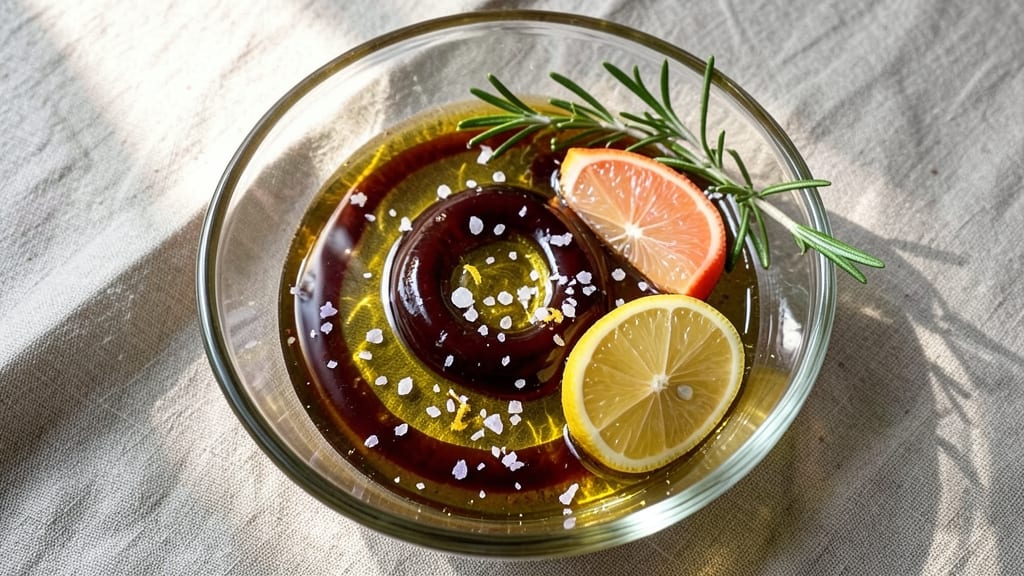
This basic balsamic vinaigrette salad dressing recipe transforms simple salads into restaurant-worthy dishes with just five ingredients and five minutes of prep. The secret lies in balancing sweet balsamic with tangy vinegar and olive oil, creating a silky, emulsified dressing that clings perfectly to greens.
I developed this recipe after years of testing—it's the one I reach for when I need a foolproof, versatile dressing that elevates any dish without overpowering flavors.
The magic happens when you whisk together the ingredients in the right order: start with the acid (vinegar and lemon juice), then gradually add the oil while continuously stirring. This creates a stable emulsion that won't separate, even after sitting in your fridge.
The result is a glossy, sweet-tart dressing with just the right amount of depth—bright enough to cut through rich ingredients but rich enough to stand on its own.
What makes this dressing truly special is its versatility—drizzle it over mixed greens, toss it with roasted vegetables, or use it as a marinade for grilled chicken. It keeps well in the fridge for up to a week, making it perfect for meal prep.
The recipe is designed to be simple, but the flavor is anything but basic.
Ready to make your salads shine? This dressing is the foundation—easy to customize with herbs, garlic, or Dijon mustard if you want to experiment. Let's get started with the perfect balance of sweet, tangy, and savory in every bite.
Ingredients for basic balsamic vinaigrette salad dressing
Five simple ingredients make this restaurant-style vinaigrette shine every time.
| Ingredient | Amount | Notes |
|---|---|---|
| Extra-Virgin Olive Oil 🫒 | ¾ cup | High quality, fruity flavor preferred |
| Balsamic Vinegar 🍷 | ½ cup | Aged balsamic for sweet depth |
| White Wine Vinegar 🍷 | ¼ cup | Dry, crisp vinegar for tang |
| Fresh Lemon Juice 🍋 | 1 ½ tbsp | Freshly squeezed for brightness |
| Granulated Sugar 🍚 | 1 ½ tsp | Or maple syrup for vegan option |
| Sea Salt 🧂 | ½ tsp | Fine grain preferred for dissolving |
| Fresh Garlic Cloves 🧄 | 2 cloves | Optional, minced for extra depth |
| Fresh Basil Leaves 🌿 | ¼ cup | Optional, finely chopped for garnish |
The olive oil is where flavor lives—Trader Joe's or Whole Foods carry excellent options, but any fruity extra-virgin works. Balsamic vinegar should be aged (look for 'traditional' or 'aged' labels)—Balzarini or Di Girolamo are solid choices. White wine vinegar is non-negotiable for that crisp tang; Bragg is my go-to. Fresh lemon juice? Always squeeze it yourself—bottled lacks that bright punch. The sugar balances the acidity perfectly, but maple syrup works 1:1 if you prefer. Garlic and basil are optional but make it sing—skip them if you're keeping it strictly basic.
No aged balsamic? Substitute with 2 tbsp extra balsamic vinegar plus 1 tsp maple syrup. Short on white wine vinegar? Apple cider vinegar or rice vinegar work in a pinch (reduce other vinegar by 1 tbsp). Fresh lemon juice unavailable? Lemon juice concentrate diluted with water (1:1 ratio). The sugar can be swapped for honey or agave if you're not strictly vegan. Want more depth? Add 1 tsp Dijon mustard to the mix. The garlic can be omitted entirely if you dislike its flavor—this dressing still tastes amazing without it.
This dressing keeps for 1 week in the fridge, but it's best used within 3-4 days for peak freshness. Store in a clean glass jar with a tight seal. If it separates, just give it a good whisk before using. For meal prep, make a double batch—it's perfect for drizzling on salads, roasted veggies, or even grilled chicken. The flavor actually improves after sitting for a few hours as the ingredients meld together. Freeze extras in ice cube trays for single-use portions.
Why You'll Love This Recipe
- Here’s what sold me: the sugar cuts the sharpness of the balsamic and white wine vinegar, while the lemon juice keeps it bright. It’s not too sweet, not too sour—just that perfect, addictive tang that makes every bite of greens or roasted veggies feel like a little celebration.
- Five-Ingredient Magic: I swear by this combo—just oil, vinegars, lemon, sugar, and a shake. No fancy gadgets, no measuring cups (eyeball it!), and it’s done before your coffee’s even cold. That’s the power of a good vinaigrette: zero effort, maximum impact.
- Sweet-Tart Balance: Here’s what sold me: the sugar cuts the sharpness of the balsamic and white wine vinegar, while the lemon juice keeps it bright. It’s not too sweet, not too sour—just that perfect, addictive tang that makes every bite of greens or roasted veggies feel like a little celebration.
- Meal Prep MVP: This dressing lasts forever in the fridge (seriously, I’ve had it for a week) and turns any sad bag of greens or jarred tomatoes into a meal. Slather it on lunches, drizzle it over grilled chicken, or toss it with pasta—it’s the unsung hero of my weeknight dinners.
Step-by-step instructions for balanced balsamic vinaigrette
This dressing comes together in minutes with simple steps—no fancy techniques needed.
Whisk Together the Vinegars and Sweetener
In a medium bowl, combine the 0.5 cup balsamic vinegar, 0.25 cup white wine vinegar, and 1.5 teaspoons granulated sugar. Use a whisk to stir until the sugar dissolves completely—you should see a smooth, syrupy mixture with no graininess. The sugar helps balance the acidity while adding subtle sweetness that rounds out the tang.
I like to give this mixture a quick taste at this stage to check the balance. It should be pleasantly tart but not harsh. If you're using maple syrup instead of sugar, whisk it in now for a vegan-friendly version with deeper caramel notes. The vinegars will start to mellow slightly as they mix, so don't worry if it seems strong at first.
Add Lemon Juice and Salt
Pour in the 1.5 tablespoons fresh lemon juice and add the 0.5 teaspoon sea salt. Whisk vigorously for about 20 seconds to fully incorporate. The lemon juice brightens the flavors and prevents the dressing from becoming too heavy. The salt enhances all the components, making the sweet and tangy elements pop.
Here's where it gets fun—give it another taste. You should notice the lemon cutting through the sweetness while the salt makes everything more cohesive. If you skipped the garlic (it's optional), this is your chance to add the 2 minced garlic cloves now. They'll infuse subtle depth without overpowering the delicate balance.
Slowly Incorporate the Olive Oil
With the whisk moving continuously, very slowly drizzle in the 0.75 cup extra-virgin olive oil. This is the most critical step—adding the oil too quickly will cause the dressing to separate. Start with just a few drops at first, then gradually increase the flow as the mixture begins to emulsify. You'll know it's working when the dressing starts to look creamy rather than streaky.
The high-quality olive oil should have a fruity aroma that complements the vinegars. If the dressing starts to look too thick, add 1 teaspoon water to loosen it slightly. The texture should be like a light, velvety drizzle—thick enough to coat but fluid enough to pour easily over salads.
Finish with Fresh Basil (Optional)
If using, add the 0.25 cup finely chopped fresh basil leaves and gently fold them in with a spoon. The basil adds a fresh herbal note that pairs beautifully with the sweet-tart profile. Let the dressing sit for 5 minutes to allow the flavors to meld completely. This resting time ensures everything comes together harmoniously.
Give it one final taste before serving. The dressing should coat your spoon with a silky, balanced flavor—sweet from the sugar, tangy from the vinegars, bright from the lemon, and rich from the olive oil. If it needs adjusting, a splash of water can thin it out, while a pinch more sugar or salt can enhance the balance. This dressing keeps well in the fridge for up to 1 week, making it perfect for meal prep.
Pro Tips For Making Basic Balsamic Vinaigrette Salad Dressing
- Whisk in Stages: Don’t dump all the oil in at once—start with vinegars and lemon, whisking until the sugar dissolves, then slowly drizzle in the olive oil while whisking like you’re trying to win a prize at a county fair. This keeps everything emulsified instead of separating like a bad relationship.
- Use Aged Balsamic: Skip the cheap stuff—aged balsamic vinegar (6+ months) adds depth that regular balsamic just can’t match. I used to grab the first bottle I saw, but now I treat it like a good cheese: worth the splurge for the flavor payoff.
- Measure Oil by Weight: If you’re serious about consistency, weigh your olive oil (about 30g for a standard dressing) instead of eyeballing it with a measuring cup. Volume measurements are unreliable—especially when you’re distracted by the salad you’re supposed to be dressing.
- Add Lemon Last: Mix the vinegars and sugar first, then let it sit for 5 minutes before adding lemon juice and oil. This gives the acidity time to mellow slightly, so the dressing doesn’t taste like it’s trying to strip paint off your walls. Trust me, it makes a difference.
Make-ahead tips for leftovers
Batch Prep Basics
Make a double batch of this dressing and store it in a clean glass jar with a tight seal—it’s perfect for meal prep. I always double the recipe when I’m prepping for the week because it’s so versatile.
The flavors actually deepen after sitting for a few hours, so it tastes even better the next day. Just whisk vigorously before using if it separates slightly. 🌱
Freezer-Friendly Portions
For single-use portions, freeze the dressing in ice cube trays—each cube makes about 1 tablespoon, perfect for drizzling. Once frozen, transfer the cubes to a ziplock bag and store for up to 3 months.
Thaw overnight in the fridge before using. This is my go-to trick for keeping dressing on hand without risking spoilage.
Emulsification Hacks
If your dressing separates after refrigeration, don’t toss it! Just give it a good whisk or shake the jar vigorously to re-emulsify. For extra stability, add 1 teaspoon Dijon mustard when you first make it—it acts as a natural emulsifier.
I’ve also had success using a handheld immersion blender for 10 seconds to bring it back together.
Flavor Boosting
Want to elevate your dressing after making it ahead? Add 1 minced garlic clove or ½ teaspoon dried oregano right before serving. The garlic adds depth, while the oregano brings a Mediterranean touch.
I also love stirring in 1 teaspoon honey if I want to enhance the sweetness without altering the original recipe.
Storage Containers
Use amber glass jars to protect the dressing from light, which can degrade the olive oil over time. Mason jars with airtight seals work perfectly, but any clean, opaque container will do.
Label your jars with the date—this helps track freshness. I keep one jar in my fridge for quick access and another in the pantry for long-term storage.
Reheating & Texture
This dressing shouldn’t be reheated—it’s best served at room temperature or chilled. If it thickens after refrigeration, thin it with 1 teaspoon water or lemon juice while whisking. The texture should be silky and pourable.
Avoid microwaving, as it can break the emulsion and make the dressing greasy. A quick shake or whisk is all you need! ✨
Nutrition facts
Frequently asked questions
Why does my balsamic vinaigrette separate after making it?
Separation happens when oil and vinegar aren't properly emulsified. Always add the oil very slowly while whisking continuously. For extra stability, stir in 1 teaspoon Dijon mustard when mixing. If it separates later, just whisk vigorously before using—it'll come back together!
Can I make this dressing without balsamic vinegar?
Yes! Substitute with 2 tablespoons extra balsamic vinegar plus 1 teaspoon maple syrup for similar sweetness. For a sharper tang, use apple cider vinegar instead of white wine vinegar. The key is balancing sweet and acid—adjust to taste after mixing.
How much dressing should I make for a salad?
Start with 1-2 tablespoons per serving for light drizzling, or 3-4 tablespoons if tossing greens. This recipe makes about 1.5 cups total—enough for 6-8 servings. For hearty salads with cheese or nuts, use the higher end of the range.
What's the best way to store leftover dressing?
Keep in an airtight glass jar in the fridge for up to 1 week. For longer storage, freeze in ice cube trays (thaw overnight in the fridge). Always store in amber glass to protect the olive oil from light degradation.
Can I use this dressing on things other than salads?
Drizzle over roasted vegetables, grilled chicken, or pasta. Use as a marinade for tofu or shrimp (marinate for 30 minutes max to prevent over-acidification). It also works as a dip for fresh bread or crudités.