
Salads
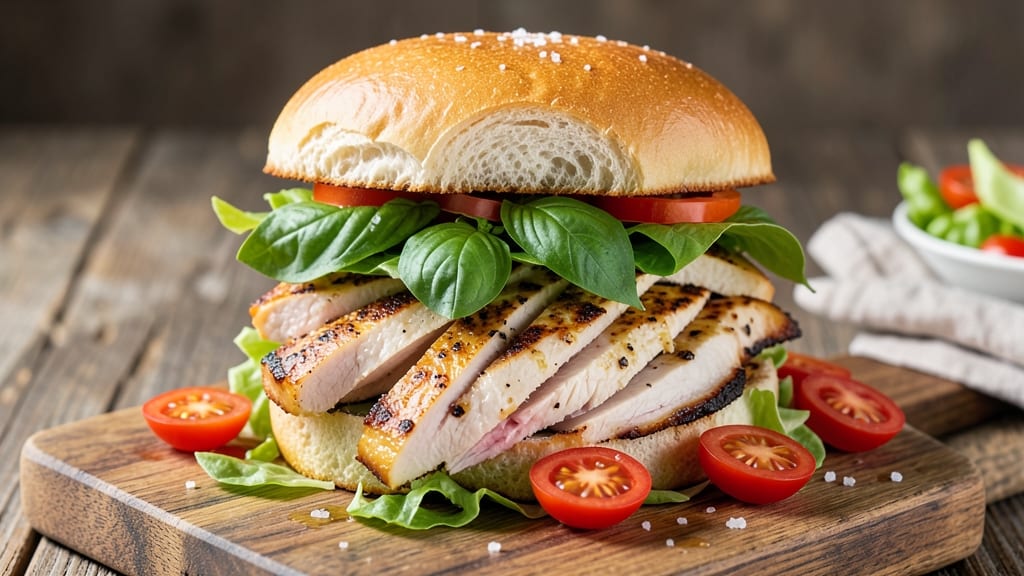
This basil chicken salad sandwich recipe transforms a simple lunch into a restaurant-worthy meal with vibrant flavors and crisp textures. The secret lies in perfectly seasoned chicken breast, tossed with fresh basil and complementary ingredients that create a harmonious balance.
I developed this recipe to deliver a sandwich that's fresh, satisfying, and packed with herbaceous brightness—ideal for a quick yet impressive meal.
The key to this recipe is tender, flavorful chicken that holds up perfectly in the sandwich, paired with crisp greens and fresh basil that add that signature herbaceous crunch.
We'll use a simple yet effective seasoning blend to ensure the chicken stays juicy and infused with flavor, while the salad components come together in minutes. The bread choice is equally important—lightly toasted to provide structure without overpowering the fresh ingredients.
What you'll end up with is a sandwich that delivers bold flavors in every bite—juicy chicken, crisp vegetables, and fresh basil all held together by a light dressing. The assembly is straightforward, ensuring you can have a delicious, homemade lunch on the table in under 30 minutes.
This recipe is perfect for meal prep, office lunches, or a quick weeknight dinner that feels special.
Serve with a side of crisp apple slices or a refreshing lemonade to complement the sandwich's fresh, herby notes. The combination of textures and flavors makes this recipe versatile enough for any occasion, whether you're feeding a crowd or treating yourself to a satisfying solo meal.
Ingredients for basil chicken salad sandwich
Fresh herbs, tender chicken, and crisp vegetables transform a simple sandwich into a restaurant-quality meal.
| Ingredient | Amount | Notes |
|---|---|---|
| Boneless, Skinless Chicken Breast 🍗 | 1 ½ lb | Pounded to even thickness |
| Extra-Virgin Olive Oil 🫒 | ½ cup | For cooking chicken |
| Fresh Basil Leaves 🌿 | 1 cup | Packed, stems removed |
| Romaine Lettuce 🥬 | 1 whole | Chopped into bite-sized pieces |
| Cherry Tomatoes 🍅 | 1 cup | Halved, seeds removed |
| Red Bell Pepper 🌶️ | ½ cup | Diced, small pieces |
| Red Onion 🧅 | ¼ cup | Thinly sliced |
| Diamond Crystal Kosher Salt 🧂 | 1 tsp | For seasoning chicken |
| Freshly Ground Black Pepper 🌶️ | ½ tsp | For seasoning chicken |
| Garlic Cloves 🧄 | 4 cloves | Minced for seasoning |
| Dried Oregano 🍃 | ½ tsp | For chicken seasoning |
| Lemon Juice 🍋 | 2 tbsp | Freshly squeezed |
| Extra-Virgin Olive Oil 🫒 | 2 tbsp | For dressing |
| Artisan Sourdough Bread 🍞 | 8 slices | Lightly toasted |
| Balsamic Vinegar 🍷 | 1 tbsp | For dressing |
The chicken breast is the foundation—look for plump, evenly sized breasts at your local butcher or grocery store's meat counter. Whole Foods Market or Trader Joe's often carry high-quality, pre-packaged options that save time. Pounding the chicken to an even thickness ensures it cooks uniformly, and the garlic, oregano, and kosher salt blend creates a flavorful crust that stays juicy. For the basil, farmers markets offer the freshest leaves, but grocery store containers work in a pinch—just avoid any with wilted or yellowing stems. The romaine should be crisp with a vibrant green color, and cherry tomatoes should be firm and glossy.
No fresh basil? Dried basil at one-third the amount works, though the texture will differ. Substituting red bell pepper with yellow or green bell pepper changes the flavor profile slightly but keeps the crunch. For the dressing, balsamic vinegar adds depth—if unavailable, red wine vinegar is a suitable alternative. The artisanal sourdough is ideal for its structure, but whole wheat or ciabatta also hold up well. If you're prepping ahead, cook the chicken and store it separately until assembly to maintain crispness in the greens. For extra brightness, add a pinch of red pepper flakes to the dressing.
The chicken can be cooked up to 2 days ahead and stored in the fridge, while the salad components should be prepped within 2 hours of serving to preserve crispness. Assemble sandwiches just before eating to prevent sogginess. The dressing keeps for 1 week in the fridge, and the bread can be toasted fresh or stored in an airtight container for 3 days. For meal prep, portion the chicken and salad separately and assemble as needed—this keeps everything fresh and ready for quick lunches.
Why You'll Love This Recipe
- No-Cook Option Ready: I swear, this recipe lets me skip the oven half the time. Just shred that poached chicken breast (or use pre-cooked rotisserie for real shortcuts), toss it with olive oil and basil, and boom—no waiting, no fuss.
- Herb Bomb Flavor: That bright, fresh basil—torn right from the bunch and mixed in—turns ordinary chicken into something ridiculously good. The olive oil ties it all together with that perfect balance of richness and zing.
- Lunchbox Hero: Between us, this is my go-to for work lunches or kids’ school sandwiches. The romaine and cherry tomatoes add crunch without overpowering, and it actually holds up all day—no soggy mess.
- Budget-Friendly Flex: Chicken breast is affordable, and I stretch it further by using half for this sandwich and saving the rest for stir-fries or salads. Plus, fresh basil lasts longer than you’d think if you store it right.
Step-by-step instructions for basil chicken salad sandwich
Transform simple ingredients into a vibrant, herb-forward sandwich with layers of freshness and texture.
Prepare and Cook the Chicken Breast
Place the 1.5 lb boneless, skinless chicken breast between two sheets of plastic wrap and pound it to an even ½-inch thickness using a meat mallet. This ensures even cooking and prevents dryness. Season both sides generously with 1 tsp Diamond Crystal kosher salt, 0.5 tsp freshly ground black pepper, 0.5 tsp dried oregano, and 4 cloves minced garlic. Let the seasoned chicken sit at room temperature for 15 minutes—this allows the flavors to penetrate deeply.
Heat 0.5 cup extra-virgin olive oil in a large skillet over medium-high heat until shimmering. Add the chicken and cook for 5-6 minutes per side until the internal temperature reaches 165°F and the edges are golden brown. The chicken should release easily from the pan when ready. Transfer to a cutting board, tent with foil, and let it rest for 10 minutes before slicing. This resting period ensures tender, juicy meat that won't dry out when mixed with the salad ingredients.
Assemble the Fresh Herb Salad Base
While the chicken rests, prepare the salad components. Chop the 1 whole romaine lettuce into bite-sized pieces and place them in a large mixing bowl. Add the 1 cup halved cherry tomatoes (seeds removed), 0.5 cup diced red bell pepper, and 0.25 cup thinly sliced red onion. Tear the 1 cup fresh basil leaves (stems removed) into smaller pieces and add them to the bowl. The basil will release its aromatic oils as you mix, infusing the salad with vibrant flavor.
In a small bowl, whisk together 2 tbsp lemon juice, 2 tbsp extra-virgin olive oil, and 1 tbsp balsamic vinegar to create the dressing. Drizzle this mixture over the salad ingredients and toss gently to combine. The acidity of the lemon and balsamic will brighten the flavors, while the olive oil adds a silky texture. Taste and adjust seasoning with additional salt or pepper if needed—this is your chance to balance the flavors before adding the chicken.
Combine Chicken and Salad Ingredients
Once the chicken has rested, slice it into thin strips or shred it with two forks, discarding any large fat deposits. Add the chicken to the salad bowl and toss everything together lightly. The goal is to distribute the chicken evenly without mashing the lettuce or tomatoes. The warm chicken will release its juices, creating a cohesive salad with layers of texture—crisp lettuce, juicy tomatoes, tender bell pepper, and the bright, herby basil.
Gently fold in the chicken, ensuring each bite contains a mix of greens, herbs, and protein. The salad should be vibrant in color, with the green basil leaves peeking through the other ingredients. If the salad appears too dry, add an extra 1 tbsp of the dressing to maintain moisture. This step is where all the flavors come together, so take your time to ensure everything is well incorporated.
Toast and Assemble the Sandwiches
Lightly toast the 8 slices artisan sourdough bread in a dry skillet over medium heat for 1-2 minutes per side until golden and crisp. The toasted bread adds a satisfying crunch and helps hold the salad together. While the bread toasts, divide the chicken salad evenly among the bottom slices of bread, spreading it in an even layer. Top each with the remaining slices of toasted bread.
Press down gently to create a sandwich that holds together well. The sourdough’s slight tang pairs perfectly with the bright, herby flavors of the salad. For an extra touch, drizzle a small amount of the remaining dressing over the top of each sandwich before serving. Cut each sandwich diagonally into two triangles for a classic presentation. Serve immediately while the bread is still crisp and the chicken is warm—this is when the sandwich tastes its best.
Pro Tips For Making Basil Chicken Salad Sandwich
- Cook Chicken to 165°F: DESCRIPTION: Chicken breast is finicky—overcook it, and you’ll end up with dry, sad shreds. Use a meat thermometer and pull the chicken at 165°F (it’ll hit that temp faster than you think when sliced). For extra moisture, poach it in simmering broth with a splash of olive oil instead of pan-searing—it stays juicier when shredded.
- Stack Basil Leaves: DESCRIPTION: Fresh basil bruises fast, and wilted leaves kill the flavor. Instead of chopping all at once, layer whole leaves between chicken and lettuce in the sandwich—press gently to release aroma without crushing. If you must chop, do it right before assembling (yes, even if you’re impatient like me).
- Skip the Raw Tomatoes: DESCRIPTION: Cherry tomatoes release water when cut, turning your salad soggy. Halve them only if you’re eating immediately—otherwise, leave them whole or slice them just before serving. Pro move: Pat them dry with a paper towel first if you’re prepping ahead.
- Rest Chicken Under Foil: DESCRIPTION: After cooking, tent the chicken with foil and let it sit for 5–10 minutes. This traps heat and keeps the fibers tender, so shredding becomes effortless. I used to skip this, and the chicken would turn to dust—now I never forget.
Troubleshooting this recipe
Chicken Too Dry
If your chicken turns out dry, it’s likely overcooked or not rested properly. Always cook chicken to an internal temperature of 165°F but remove it from heat just as it reaches that temp—it’ll carry over and finish cooking while resting.
I’ve found that using a meat thermometer is non-negotiable for perfect results. Also, pound your chicken to an even ½-inch thickness before cooking to ensure even doneness. 💡
Soggy Bread
Soggy bread ruins the perfect texture of this sandwich. The key is toasting the bread just before assembly—this creates a barrier that keeps the salad ingredients from making it damp.
Toast your artisan sourdough slices over medium heat for 1-2 minutes per side until golden. If you’re prepping ahead, store bread and salad components separately until ready to assemble. 🍞
Wilted Greens
Lettuce and basil lose their crispness when mixed with warm chicken too early. Let your chicken cool completely before combining it with the salad. I recommend slicing chicken and setting it aside for 10-15 minutes before mixing with greens.
For extra crunch, add lettuce and tomatoes just before serving. A quick spin in a salad spinner also helps maintain crispness. 🥬
Flavor Imbalance
The dressing is crucial for balancing flavors. If your sandwich tastes bland, check your seasoning—especially the chicken. A good rule is to taste the chicken after seasoning and adjust with extra kosher salt or minced garlic if needed.
For the dressing, I like to add a pinch of red pepper flakes or a splash of honey to enhance sweetness. Always taste before combining with other ingredients. ✨
Uneven Cooking
Unevenly cooked chicken happens when pieces vary in thickness. Always pound your chicken to an even ½-inch thickness before seasoning. If you’re using thicker cuts, cut them into even strips before cooking.
I’ve also had success with the reverse sear method—bake chicken at 300°F for 15 minutes before pan-searing for a more consistent result. 🔥
Dressing Too Thick
If your dressing separates or feels too thick, it’s likely from too much oil or vinegar. The perfect ratio is 2 tbsp olive oil, 2 tbsp lemon juice, and 1 tbsp balsamic vinegar.
Whisk vigorously and let it sit for 5 minutes before using. For a smoother texture, add 1 tsp Dijon mustard** to help emulsify. Taste and adjust gradually—adding too much at once can ruin the balance. 💫
Nutrition facts
Frequently asked questions
Can I use rotisserie chicken instead of cooking fresh?
Rotisserie chicken is a fantastic shortcut. Shred or slice 1.5 cups of cooked chicken (about 1 cup cooked weight) and use it directly in the salad. Just ensure it's fully cooled before mixing with greens to maintain crispness. Season with extra kosher salt and lemon juice to refresh the flavors.
How do I make this sandwich gluten-free?
Swap the sourdough for gluten-free bread or lettuce wraps made from large romaine or butter lettuce leaves. For extra structure, toast the gluten-free bread with a light brush of olive oil. The salad assembly remains exactly the same—just omit the bread topping if using wraps.
Can I prep this ahead of time for meal prep?
Yes! Cook the chicken and store it separately for up to 3 days in the fridge. Prep the salad dressing and keep it in a jar, and store the veggies (except lettuce) in the fridge for 2 days. Assemble the sandwiches fresh by combining cooled chicken with the salad components just before eating to keep everything crisp.
What's the best way to store leftovers?
Store the assembled sandwiches in an airtight container for up to 2 days in the fridge. For longer storage, keep the chicken and salad components separate. Reheat the chicken gently in a skillet (don't overcook!) and add fresh greens and dressing when serving to maintain texture.
Can I add other proteins to this sandwich?
Certainly! Swap the chicken for grilled shrimp, hard-boiled eggs, or tofu for a vegetarian option. For shrimp, cook until 165°F and chill before adding. Eggs should be sliced or chopped and added fresh to prevent sogginess. Adjust seasoning to complement the new protein.