
Sauces & Condiments
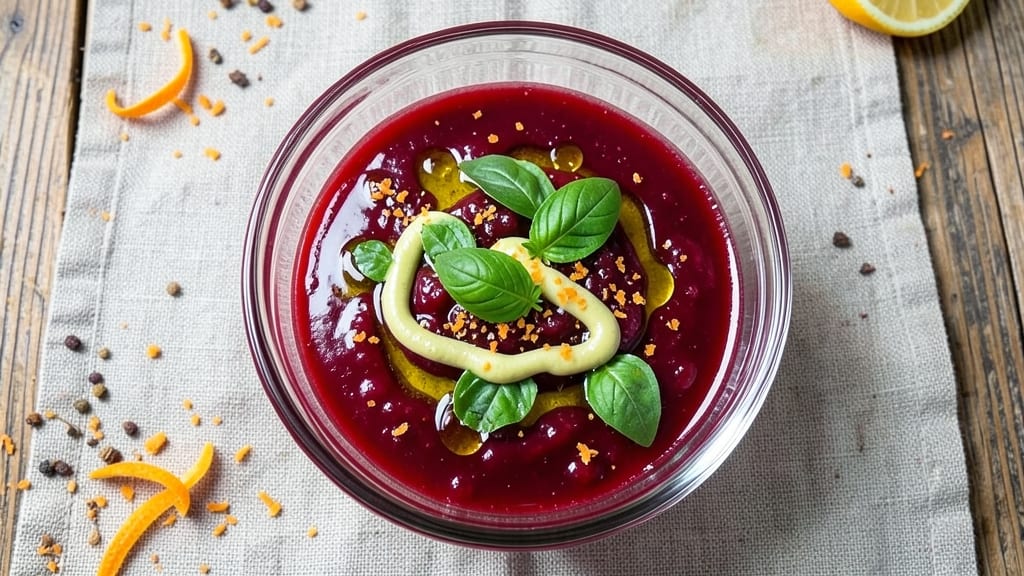
This blood orange vinaigrette salad dressing recipe transforms any salad from ordinary to extraordinary with its vibrant citrus notes and herby complexity. This recipe balances bright blood orange juice with sharp red wine vinegar and fresh herbs, creating a dressing that elevates greens, grains, and proteins alike. The key lies in the ratio—equal parts citrus and acid—paired with a touch of Dijon for depth and olive oil for richness.
This vinaigrette delivers a perfect harmony of sweet-tart flavors that cut through rich ingredients while enhancing their natural taste. The blood orange zest adds aromatic brightness, while fresh basil or tarragon provides an herbal counterpoint.
With just five simple ingredients and five minutes of prep, you’ll have a dressing that’s restaurant-quality yet effortless to make at home.
What makes this recipe stand out is its versatility—drizzle it over arugula with prosciutto, toss it with roasted vegetables, or use it as a marinade for grilled chicken. The dressing keeps well in the fridge for up to a week, so you can make a batch ahead for busy days.
For extra depth, consider adding a minced shallot or a drizzle of honey to balance the acidity.
For best results, whisk the ingredients thoroughly and let the dressing rest for 10 minutes before using. This allows the flavors to meld, creating a cohesive taste that’s brighter and more complex than store-bought alternatives.
Whether you’re prepping for a weeknight dinner or a holiday spread, this blood orange vinaigrette will become your go-to dressing.
Ingredients for blood orange vinaigrette salad dressing
Bright citrus meets herby depth in this vibrant dressing—just eight ingredients, restaurant-quality flavor.
| Ingredient | Amount | Notes |
|---|---|---|
| Blood Orange Juice 🍊 | ½ cup | Freshly squeezed for brightness |
| Red Wine Vinegar 🍷 | ½ cup | Dry variety preferred |
| Extra-Virgin Olive Oil 🫒 | ½ cup | Light fruity flavor works best |
| Dijon Mustard 🌶️ | 1 tbsp | Mellow flavor for depth |
| Blood Orange Zest 🍊 | 1 tbsp | Finely grated for aromatic punch |
| Fresh Basil Leaves 🌿 | ¼ cup | Packed, stems removed |
| Garlic Clove 🧄 | 1 whole | Minced for subtle flavor |
| Sea Salt 🧂 | ½ tsp | Fine grain preferred |
| Black Pepper 🌶️ | ¼ tsp | Freshly cracked for warmth |
Blood oranges are the star here. Grab them at specialty grocers or farmers markets—they're seasonal (fall/winter) but worth tracking down. If you can't find whole oranges, Trader Joe's and Whole Foods often carry bottled blood orange juice. For the zest, use a fine grater and avoid the bitter white pith. Fresh basil is ideal, but cilantro or tarragon work beautifully if you're out of basil. The red wine vinegar should be dry and aged—Bartles & Jaymes is a reliable brand if you're unsure. Olive oil quality matters here too—California avocado oil or Spanish picual adds a nice neutral balance.
No blood orange juice? Substitute with a mix of orange and grapefruit juice—it won't be identical but works in a pinch. Fresh basil not available? Dried basil at one-third the amount or fresh parsley will give you a different but still lovely herbal note. Want to reduce the acidity? Add 1 tsp honey or maple syrup. For extra depth, minced shallot or red onion (1 tsp) adds complexity. The Dijon mustard is crucial—it helps emulsify and adds tangy depth. If you're short on time, pre-minced garlic from a jar works, but fresh is always better.
This dressing keeps beautifully for up to 1 week in the fridge, though the flavors actually improve after 24 hours as everything melds. Store it in a glass jar with a tight lid—the acidity can corrode metal over time. For longer storage, freeze in ice cube trays and thaw as needed. The dressing thickens slightly when refrigerated, so give it a quick whisk before using. If it separates completely, just whisk vigorously to re-emulsify. Makes about 1.5 cups, perfect for 2-3 salads.
Why You'll Love This Recipe
- Five-Ingredient Magic: I swear by this one—just juice, vinegar, oil, mustard, and zest. No fancy gadgets, no measuring cups if you eyeball it right. That’s all it takes to turn a basic salad into something ridiculously good.
- Bright & Tangy: The blood orange juice cuts through greens like a citrusy dream, while the red wine vinegar adds that sharp bite. Honestly, the zest at the end? That’s where it all comes together—fresh, floral, and impossible to resist.
- Weeknight & Weddings: Slather it on a quick lunch salad or drizzle it over seared scallops for dinner. (Yes, even on a Tuesday night.) It’s my go-to for effortless meals, but it also feels fancy enough for company—no one will guess how simple it was.
- Stays Fresh, Saves Money: Make a big batch—it keeps for days in the fridge, and the ingredients won’t break the bank. Between us, that blood orange juice is the only splurge, but it’s worth it for the flavor boost you’ll get everywhere.
Step-by-step instructions for blood orange vinaigrette salad dressing
This bright, balanced dressing comes together in minutes with precise technique.
Whisk Together the Acidic Base
In a medium bowl, combine the 0.5 cup blood orange juice and 0.5 cup red wine vinegar. I use a whisk for this step—it creates a smooth emulsion right from the start. The acidity from both ingredients will mellow slightly as they marry, but this initial balance is crucial for the final flavor profile.
Add the 1 tbsp Dijon mustard and 1 tbsp blood orange zest to the bowl. The mustard helps emulsify the dressing while adding subtle depth, and the zest introduces aromatic complexity that fresh juice alone can't provide. Whisk vigorously for 30 seconds to fully incorporate all ingredients. This mixture should look vibrant orange with no visible streaks of zest.
Gradually Incorporate the Olive Oil
With the whisk still in the bowl, begin adding the 0.5 cup extra-virgin olive oil in a slow, steady stream. I like to pour it from about 4 inches above the bowl to create a fine drizzle—this helps prevent the dressing from separating. Keep whisking continuously as you add the oil, which should take about 1-2 minutes total.
The key here is patience. If you add the oil too quickly, you'll end up with a broken dressing. You're looking for a smooth, velvety texture that coats the back of a spoon. The dressing should now be emulsified—no visible oil separation—and have a glossy sheen that indicates proper emulsification.
Add Aromatics and Seasonings
Finely mince the 1 whole garlic clove and add it to the dressing along with the 0.25 cup fresh basil leaves. I use a microplane for the garlic to avoid any bitterness from pressing. The basil should be roughly chopped—just enough to release its oils without turning the dressing into a puree.
Season with 0.5 tsp sea salt and 0.25 tsp black pepper. Taste the dressing at this point—it should be tangy with a bright citrus forward, but with a well-rounded finish from the garlic and basil. The salt should enhance all flavors without overpowering them. If needed, adjust the seasoning now, but typically this recipe balances perfectly.
Final Emulsification and Tasting
Give the dressing one final whisk for 1 minute to fully incorporate all ingredients. The texture should be silky, with no visible separation. If you notice any oil pooling on top, whisk vigorously for another 30 seconds—this dressing should hold its emulsion beautifully.
Let it rest for 5 minutes before tasting again. The flavors will meld more completely during this time. The dressing should be bright with blood orange notes, slightly tangy from the vinegar, and herbaceous from the basil. If it needs more acidity, add 1 teaspoon red wine vinegar. If it needs more richness, add 1 teaspoon olive oil. Store in an airtight container in the refrigerator for up to 5 days.
Pro Tips For Making Blood Orange Vinaigrette Salad Dressing
- Strain the juice twice: Blood oranges often have bitter pith or seeds that sneak into your juice—especially if you’re using a juicer. Run the strained juice through a fine-mesh sieve again after the first press. I learned this the hard way when a single bitter seed ruined a batch. Takes 30 seconds but makes a world of difference.
- Use room-temperature mustard: Dijon mustard thickens dramatically when cold, and that means your vinaigrette will clump like a stubborn glue stick. Let the jar sit out for 10 minutes before measuring—just enough time to stir it smoothly into the citrus. (Yes, even if you’re impatient like me.)
- Balance the acid first: Taste the raw blood orange juice and vinegar mix before adding oil. Blood oranges vary wildly in sweetness, and if you’re using a tart vintage, you’ll need more juice to offset the vinegar’s bite. Start with a 1:1 ratio of juice to vinegar, then adjust. Skipping this step is how you end up with a dressing that tastes like a science experiment gone wrong.
- Zest fresh, then wait: Blood orange zest is potent—use it immediately after grating, but don’t rush to mix it in. Let it sit for 2 minutes in the bowl; the oils will soften and blend more smoothly when you add the oil. I was skeptical until I tried it: the flavor integrates cleaner, and you won’t taste the sharpness of raw zest.
Health benefits of blood orange vinaigrette salad dressing
Citrus Vitamin Boost
Blood oranges pack a nutritional punch with vitamin C—just 0.5 cup of their juice provides over 100% of your daily needs. This citrus powerhouse supports your immune system and helps collagen production for healthier skin.
The red wine vinegar adds antioxidants that fight cellular damage, while the olive oil contributes healthy monounsaturated fats that support heart health. 💪
Digestive Benefits
Red wine vinegar contains acetic acid, which aids digestion by stimulating stomach acid production. The Dijon mustard in this dressing adds digestive enzymes that help break down proteins, making it easier on your stomach.
Fresh basil contributes volatile oils that may help reduce bloating. Together, these ingredients create a dressing that’s not just flavorful but also gentle on your digestive system.
Herbal Antioxidants
Fresh basil is rich in flavonoids like orientin and vicenin, which have been shown to reduce inflammation. The garlic provides allicin, a compound with antibacterial properties. When combined, these herbs create a flavor profile that’s both delicious and packed with antioxidants.
The blood orange zest adds limonene, a compound linked to improved liver function and detoxification.
Low-Calorie, High-Flavor
This dressing is surprisingly light—about 30 calories per 2-tablespoon serving—yet delivers bold flavor. The acidic base of blood orange juice and vinegar helps control appetite by promoting satiety, while the olive oil provides healthy fats that keep you satisfied.
It’s perfect for those watching their calorie intake but still want restaurant-quality taste. ✨
Blood Sugar Balance
The combination of citrus fiber from blood oranges and the low glycemic index of vinegar helps stabilize blood sugar levels. The Dijon mustard adds a touch of sweetness without spiking glucose, making this dressing a smart choice for anyone managing blood sugar.
The herbs further enhance this balance by adding complexity without adding sugar.
Hydration Helper
The high water content in blood oranges (about 87% of their weight) contributes to your daily hydration needs. The dressing’s liquid base also helps keep you hydrated, especially when paired with water-rich vegetables like cucumbers or lettuce.
Even the olive oil provides a small amount of hydration through its fatty acid structure, making this dressing a surprisingly refreshing choice. 💧
Nutrition facts
Frequently asked questions
Can I substitute regular orange juice for blood orange juice?
Regular orange juice works in a pinch, but it won't have the same depth of flavor. Blood oranges have a unique tart-sweet balance that regular oranges lack. For the closest substitute, mix 0.25 cup regular orange juice with 0.25 cup grapefruit juice to mimic the blood orange's complexity. The dressing will still be bright but won't have the same rich, slightly berry-like notes.
How do I fix a dressing that separated after refrigeration?
Don't worry—this is completely normal! Simply whisk the dressing vigorously for 1-2 minutes until it re-emulsifies. If it still separates, add 1 teaspoon Dijon mustard or 1 teaspoon honey to help stabilize it. The dressing should come back together beautifully. For future batches, whisk more thoroughly when combining the oil, or add 1 extra teaspoon of mustard during initial preparation.
What's the best way to use this dressing beyond salads?
This versatile vinaigrette works beautifully as a marinade for grilled chicken or fish, a drizzle over roasted vegetables, or even a dressing for grain bowls. Try it with seared scallops or grilled shrimp skewers—the citrus cuts through the richness perfectly. You can also use it as a finishing sauce for tacos, pizza, or even as a dip for crusty bread. The key is to let it sit on the food for 2-3 minutes before serving to let the flavors meld.
Can I make this dressing without fresh herbs?
If you don't have fresh basil, try fresh parsley or cilantro for a different but still lovely herbal note. For a dried herb option, use 1/3 teaspoon dried basil or tarragon (just a pinch). The flavor won't be as bright, but it will still add aromatic depth. Another option is to add 1/2 teaspoon dried oregano for a Mediterranean twist. Just remember that dried herbs are more concentrated, so use sparingly.
How do I adjust the sweetness or tartness?
To make it sweeter, add 1 teaspoon honey or maple syrup and whisk well. For more tartness, add 1 teaspoon extra red wine vinegar. If you prefer a less acidic dressing, reduce the vinegar by 1 tablespoon and add 1 tablespoon water instead. The key is to adjust gradually—taste as you go! For a balanced flavor, aim for a ratio where the sweetness and tartness complement rather than overpower each other.