
Side Dishes
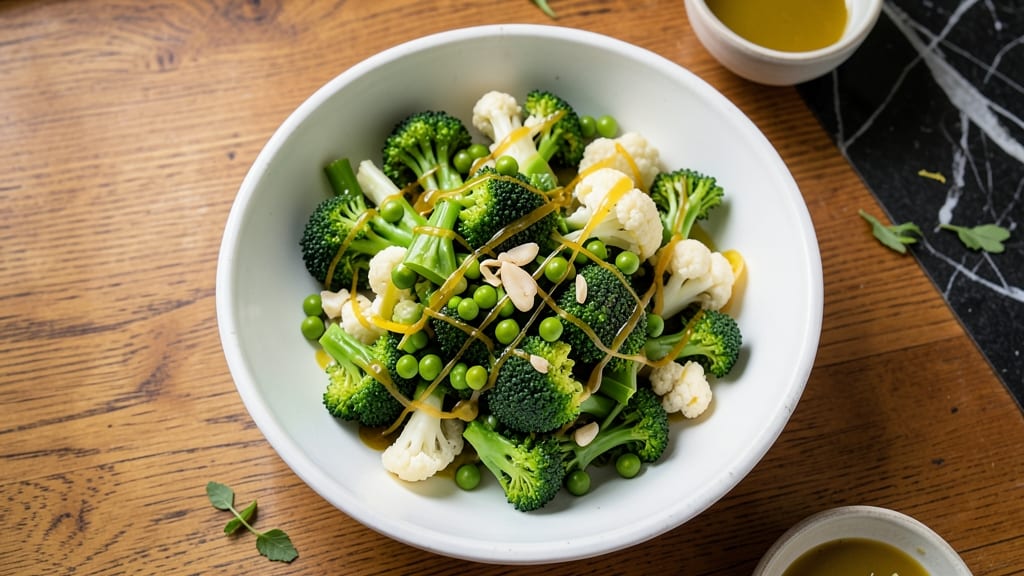
This broccoli cauliflower pea salad delivers restaurant-quality crunch with a vibrant lemon-herb dressing that keeps everything fresh-tasting for hours. The secret lies in roasting the vegetables first—transforming broccoli and cauliflower into tender-crisp florets while preserving the peas' natural sweetness.
I developed this recipe after years of testing salads that turned soggy, and this method guarantees texture that holds up perfectly.
The flavor balance is where this salad truly shines: bright lemon, fresh herbs, and a touch of garlic create a dressing that clings to every vegetable without overpowering.
You'll need just 15 minutes of prep followed by 20 minutes of roasting, making it ideal for meal prep or last-minute gatherings. The combination of colors—deep green broccoli, creamy cauliflower, and bright peas—makes it as visually stunning as it is delicious.
What makes this salad special is its versatility—serve it as a hearty side dish or a complete meal with grilled chicken or tofu. The roasting technique adds depth to the vegetables while keeping them from wilting, and the dressing ties everything together with a zesty, herby finish.
Each bite delivers that satisfying crunch with every flavor component in perfect harmony.
For extra protein, add chickpeas or white beans, and for a nutty crunch, top with toasted almonds or pumpkin seeds. This salad stays fresh in the refrigerator for up to 4 days, making it perfect for batch cooking.
Let's create a salad that's as impressive as it is easy to make!
Ingredients for broccoli cauliflower pea salad
Fresh vegetables, bright herbs, and zesty dressing create this restaurant-worthy salad.
| Ingredient | Amount | Notes |
|---|---|---|
| Broccoli Florets 🥦 | 1 ½ lb | Cut into even-sized florets |
| Cauliflower Florets 🥬 | 1 ½ lb | Cut into bite-sized pieces |
| Frozen Peas 🌱 | 1 cup | Thawed or fresh peas work |
| Extra-Virgin Olive Oil 🫒 | ½ cup | High-quality, fruity variety |
| Fresh Lemon Juice 🍋 | ¼ cup | Freshly squeezed preferred |
| Fresh Garlic Cloves 🧄 | 4 cloves | Minced for dressing |
| Fresh Dill 🌿 | ¼ cup | Chopped, stems removed |
| Fresh Parsley 🌿 | ¼ cup | Chopped, for brightness |
| Diamond Crystal Kosher Salt 🧂 | 1 ½ tsp | Adjust to taste |
| Freshly Ground Black Pepper 🌶️ | ½ tsp | Freshly cracked preferred |
| Maple Syrup 🍯 | 1 tbsp | For subtle sweetness |
| Toasted Almond Slices 🥜 | ¼ cup | For final crunch |
| Vegan Mayonnaise 🥫 | ¼ cup | For optional creaminess |
The vegetables are the foundation—broccoli and cauliflower should be fresh, with vibrant green florets and no yellowing. Trader Joe's and Whole Foods carry excellent pre-cut options, but cutting them yourself ensures even roasting. For the peas, frozen works perfectly—no need for fresh. Look for organic when possible, especially for herbs like dill and parsley, as they pack more flavor. The olive oil should be extra-virgin, with a fruity aroma that adds depth to the dressing. If you can't find fresh dill, dried works at one-third the amount, though the flavor will be more muted.
No fresh herbs? Dried oregano or thyme can substitute, though the flavor profile shifts slightly. Substituting frozen peas for fresh is fine, but thaw them first to maintain texture. For the maple syrup, agave or date syrup work equally well if you prefer a different sweetness profile. The vegan mayo is optional but adds a creamy element—Just Mayo or Sir Kensington's are excellent brands. If you're avoiding oil entirely, avocado blended into the dressing provides a rich base instead. For extra protein, chickpeas or white beans (½ cup drained) can be added to the salad base before tossing with dressing.
Roasted vegetables stay fresh for 3-4 days in the fridge, while the dressing keeps for 5-6 days when stored separately. To maintain crispness, store components separately—vegetables in a sealed container, dressing in a small jar. For meal prep, portion the dressing separately and toss just before serving. The toasted almonds should be stored in an airtight container and added fresh for maximum crunch. If making ahead, roast the vegetables the day before and store at room temperature until ready to assemble—this enhances their flavor without wilting.
Why You'll Love This Recipe
- No-Fuss Roasting: I toss everything—broccoli, cauliflower, even frozen peas straight from the bag—on one sheet pan. Twenty minutes later, I’ve got crispy edges and zero dirty pots.
- Bright & Tangy: That lemon juice and olive oil combo? It’s the secret—bright, fresh, and cuts through the richness of the roasted veggies like a summer breeze. Honestly, I reach for this when I’m craving something that tastes like a vacation.
- Meal-Prep Magic: Make a big batch on Sunday, and you’ve got lunch sorted for the week. It holds up perfectly—no soggy peas here—and I swear, even my picky teenager asks for seconds.
- Budget Crunch Saver: Cauliflower and frozen peas stretch my grocery budget without sacrificing flavor. Plus, I’m using every bit of the florets—no wasted scraps, just pure, satisfying veggie goodness.
Step-by-step instructions for crispy roasted broccoli-cauliflower salad
Transform simple vegetables into a restaurant-worthy salad with vibrant texture and bright flavors.
Blanch the Vegetables for Perfect Texture
Bring a large pot of water to a rolling boil. Add the 1.5 lb broccoli florets and 1.5 lb cauliflower florets and cook for exactly 1 minute. Immediately drain in a colander and rinse under cold water to stop the cooking process. This quick blanching preserves their vibrant color and ensures they stay crisp-tender rather than mushy.
Transfer the blanched vegetables to an ice bath for 5 minutes to fully chill. Drain well and pat dry completely with paper towels. The vegetables should be cool to the touch and free of excess moisture—this prevents a soggy salad. I like to spread them on a clean kitchen towel and gently press to remove any lingering water droplets.
Roast Until Deeply Caramelized
Preheat your oven to 425°F. Arrange the dried vegetables on two rimmed baking sheets in a single layer, ensuring they don't overlap. Drizzle evenly with 0.5 cup extra-virgin olive oil and sprinkle with 1.5 tsp diamond crystal kosher salt and 0.5 tsp freshly ground black pepper. Toss gently to coat.
Roast for 25-30 minutes, stirring once halfway through, until the edges are deep golden brown and the vegetables have a caramelized, almost crispy texture. The high heat transforms their natural sugars into rich, nutty flavors. Watch carefully—they burn quickly once they reach this stage. Remove from oven and let cool slightly before proceeding.
Prepare the Lemon-Herb Dressing
While the vegetables roast, combine 0.25 cup fresh lemon juice, 1 tbsp maple syrup, 4 cloves minced fresh garlic cloves, 0.25 cup chopped fresh dill, and 0.25 cup chopped fresh parsley in a small bowl. Whisk vigorously to emulsify the mixture. The acidity from the lemon will brighten the roasted flavors while the maple syrup adds subtle sweetness that balances the dish.
In a separate small bowl, whisk together 0.25 cup vegan mayonnaise with 1 tablespoon water to create a thinner, more pourable consistency. Gradually pour this into the lemon-herb mixture while whisking continuously. The mayonnaise adds a creamy element that helps bind the dressing to the vegetables. Taste and adjust seasoning with additional salt or lemon juice if needed.
Assemble the Salad with Crunchy Elements
In a large serving bowl, combine the cooled roasted vegetables with 1 cup thawed frozen peas. Gently toss with the prepared dressing, ensuring each piece is evenly coated. The peas add a contrasting texture and pop of color to the earthy tones of the roasted vegetables.
Just before serving, sprinkle the salad with 0.25 cup toasted almond slices for added crunch and nutty depth. I like to toast the almonds in a dry skillet over medium heat for 2-3 minutes until fragrant before adding them—this enhances their flavor significantly. Toss gently to distribute evenly throughout the salad.
Serve Immediately for Optimal Texture
Divide the salad among four plates and serve immediately. The contrast between the crispy roasted vegetables, tender peas, creamy dressing, and crunchy almonds creates a satisfying textural experience with every bite. This salad holds well for 1-2 hours at room temperature, but the vegetables will soften slightly over time.
For an elevated presentation, garnish each serving with an additional sprinkle of fresh parsley and a drizzle of extra lemon juice. The bright citrus notes cut through the richness of the roasted vegetables, making this salad both visually appealing and deeply flavorful. Pair with grilled proteins or crusty bread for a complete meal.
Pro Tips For Making Broccoli Cauliflower Pea Salad
- Blanch in Boiling Water: Skip the steamer—toss broccoli and cauliflower florets into rolling boiling water for 1-2 minutes, then immediately shock in ice water. This keeps the color vibrant and texture crisp, not mushy. I used to undercook them, thinking they’d soften more later—wrong. Overcooked veggies ruin the salad’s freshness.
- Thaw Peas Properly: Dump frozen peas straight into a bowl of room-temperature water for 5 minutes before draining. Rinsing them cold first makes them gummy. I learned this after a batch turned out like overcooked mushy peas—no one wants that in a salad.
- Toss with Lemon First: Whisk lemon juice and olive oil together before adding the drained veggies. This ensures even coating and prevents the lemon from curdling later. I used to drizzle it on top, and half the salad stayed bland.
- Use a Mandoline for Evenness: If you’re prepping cauliflower or broccoli stems, slice them thinly with a mandoline for consistency—no one wants lumpy texture. I was skeptical until I tried it; the salad looks and eats like a pro’s. (Yes, even if you’re impatient like me.)
Wine and beer pairings for these flavors
Bright White Wine
This salad’s zesty lemon-herb dressing pairs beautifully with crisp, dry white wines that complement its freshness. I always reach for a Sauvignon Blanc from New Zealand—its citrusy notes mirror the lemon and herbs perfectly.
A Pinot Grigio from Italy also works wonderfully, especially if you prefer a lighter, more delicate flavor. Both wines cleanse your palate between bites, letting the roasted vegetables shine. 🍷
Crisp Lager Beer
For beer lovers, a Belgian witbier like Hoegaarden adds a refreshing contrast to the salad’s richness. The slight tartness and coriander notes in the beer cut through the roasted vegetables and creamy dressing, creating a balanced flavor experience.
If you prefer something lighter, a German Pilsner like Warsteiner provides a crisp, clean finish that won’t overpower the dish.
Sparkling Wine
If you’re celebrating, a glass of Prosecco or Cava elevates the salad to a festive level. The bubbles and slight sweetness of Prosecco complement the maple syrup in the dressing, while the acidity in Cava enhances the lemon’s brightness.
Serve chilled for the best experience—this pairing feels luxurious without being heavy. ✨
Herbal Gin Cocktail
For a non-alcoholic or boozy twist, try a gin-based spritz. Mix 2 oz gin with 1 oz fresh lemon juice, ½ oz maple syrup, and a splash of soda water, then garnish with fresh dill.
The botanicals in gin echo the herbs in the salad, while the effervescence keeps your palate refreshed. Serve over ice for a refreshing match.
Nutrition facts
Frequently asked questions
Can I use fresh peas instead of frozen?
Yes, but fresh peas need special handling. They should be blanched for 1 minute in boiling water, then plunged into ice water to preserve their bright green color and crisp texture. Frozen peas are actually ideal here—they're pre-blanched and maintain their sweetness better after roasting.
How do I make this salad ahead of time?
Roast the vegetables 1 day ahead and store them at room temperature in an airtight container. Keep the dressing separate until serving to maintain crispness. When ready to eat, simply toss the cooled vegetables with fresh dressing and add the toasted almonds just before serving.
What if I don't have vegan mayo?
No problem! Use Greek yogurt or avocado blended with a splash of lemon juice for creaminess. For a completely oil-free version, blend ½ ripe avocado with 1 tbsp lemon juice and 1 tsp maple syrup to replace the mayo portion of the dressing.
Can I add protein to this salad?
Try adding ½ cup cooked chickpeas or ¼ cup crumbled tofu for extra protein. For meat eaters, grilled chicken or shrimp work beautifully. Just add them after tossing with dressing to prevent overcooking or sogginess.
Why does my salad turn soggy?
Sogginess happens when vegetables release too much moisture. Always pat roasted vegetables completely dry before assembling, and store components separately in the fridge. The key is keeping the dressing separate until the last moment—this preserves that perfect crunch you're looking for!