
Sauces & Condiments
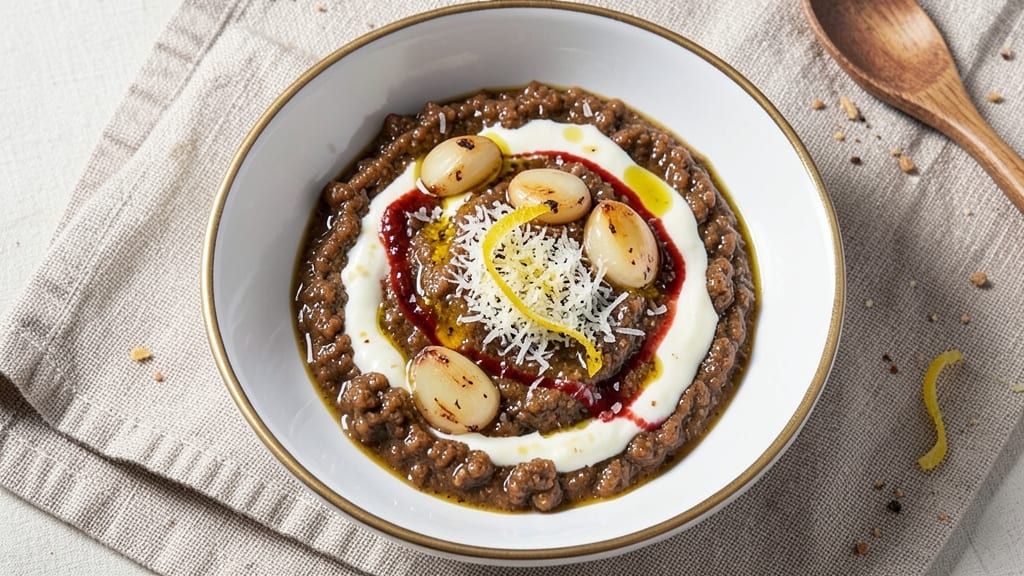
This Buca Di Beppo Caesar salad dressing recipe delivers the rich, tangy, umami-packed sauce that makes Caesar salads unforgettable. The secret lies in the perfect balance of anchovies, garlic, Dijon mustard, and Parmesan—all emulsified with egg yolk and olive oil for that signature creamy texture.
I've perfected this version after testing countless variations, and it takes just 5 minutes to make.
The foundation of an exceptional Caesar dressing begins with proper emulsification. Anchovies provide deep umami flavor, while Dijon mustard adds tangy brightness. Fresh garlic and Parmesan create that signature savory richness, and the egg yolk acts as the natural emulsifier that binds everything together into a silky, clingy sauce.
This isn't just any Caesar dressing—it's the kind that transforms simple greens into a restaurant-worthy dish.
What you'll achieve is a dressing with perfect flavor balance: salty from the anchovies, tangy from the mustard, creamy from the egg yolk, and nutty from the Parmesan. The sauce should be thick enough to coat each leaf of romaine perfectly without being overly heavy.
This version stays fresh in the refrigerator for up to 5 days, making it ideal for meal prep or hosting dinner parties.
The best part? This dressing elevates more than just Caesar salads. Use it as a marinade for grilled chicken, drizzle it over pasta, or even toss it with roasted vegetables.
The possibilities are endless once you master this essential sauce. Let's get started on creating your perfect Buca Di Beppo-style Caesar dressing.
Ingredients for buca di beppo caesar salad dressing
Nine essential ingredients transform into the creamiest, most restaurant-worthy Caesar dressing you'll ever make.
| Ingredient | Amount | Notes |
|---|---|---|
| Anchovy Fillets 🐟 | 4 whole | High-quality, oil-packed preferred |
| Extra-Virgin Olive Oil 🫒 | ½ cup | Fruity, peppery variety for best flavor |
| Parmesan Cheese 🧀 | ½ cup | Freshly grated, aged minimum 24 months |
| Garlic Cloves 🧄 | 2 cloves | Fresh, minced to a fine paste |
| Dijon Mustard 🍯 | 1 tbsp | High-quality, grainy texture preferred |
| Large Egg Yolks 🥚 | 2 whole | Fresh, room temperature for best emulsion |
| Lemon Juice 🍋 | 1 ½ tbsp | Freshly squeezed, strained for clarity |
| Worcestershire Sauce 🍶 | ½ tbsp | High-quality, anchovy-free preferred |
| Black Pepper 🌶️ | ¼ tsp | Freshly ground, coarse grind |
| Kosher Salt 🧂 | ½ tsp | Fine grain, Diamond Crystal preferred |
The anchovies are non-negotiable—they bring that signature umami depth that separates good Caesar dressing from extraordinary. Goya or Branca are my go-tos, but any high-quality brand works. Look for oil-packed fillets—they're more flavorful than those packed in salt. The Parmesan? Freshly grated from a wedge is a must; pre-grated tastes like sawdust. For the olive oil, California avocado or Italian varieties add that fruity brightness that cuts through the richness. I always grab mine from Whole Foods or specialty olive oil shops—the difference is night and day. And don't even think about skipping the Dijon—its tangy bite is what makes this dressing sing.
No anchovies? Anchovy paste at half the amount works in a pinch, but you'll lose some texture. Running short on Parmesan? Pecorino Romano has a sharper bite that works beautifully. Fresh garlic is ideal, but garlic powder at half the amount gets you close if you're in a hurry. The Worcestershire sauce can be tricky—some brands contain anchovies, so check the label if you're avoiding them. For the egg yolks, room temperature is key—they emulsify so much better. Pro tip: If your dressing breaks, just whisk in a splash of warm water or a tiny bit more olive oil to bring it back together. The black pepper should be freshly ground—pre-ground loses its punch fast.
This dressing is a meal prep MVP—stays fresh in the fridge for 5 days if stored properly. Pour it into a clean jar, cover with a thin layer of olive oil, then seal tightly. The oil acts as a preservative and keeps the surface from drying out. For leftovers, give it a quick whisk before using—it thickens as it sits. Need to store longer? Freeze in ice cube trays, then transfer to a bag. Each cube makes a perfect single serving. Trust me, you'll make this so often you'll want to keep a batch on hand at all times.
Why You'll Love This Recipe
- Five-Ingredient Magic: I swear, this dressing comes together with just a blender and five things—no fancy gadgets, no stress. The anchovies and Dijon do all the heavy lifting while I measure olive oil and grate cheese.
- Umami Bomb: That first bite? The anchovies and Parmesan create this deep, salty richness that makes your Caesar salad taste like a restaurant special. Honestly, it’s the kind of flavor that lingers and makes you crave seconds.
- Weeknight Hero: I keep a jar of this in the fridge because it turns a simple salad into a meal in minutes. Perfect for busy nights when I need something hearty but still light.
- Budget-Friendly Luxury: Parmesan and anchovies might sound fancy, but they stretch this dressing far—enough for salads, pasta, or even dipping bread. Between us, it’s the most cost-effective way to feel fancy.
Step-by-Step instructions for Buca Di Beppo Caesar salad dressing
This anchovy-parmesan masterpiece comes together faster than you can say "Caesar" - let's build it properly.
Create the Anchovy-Parmesan Base
In a small bowl, combine the 4 whole anchovy fillets and 0.5 cup freshly grated Parmesan cheese. Using a fork, mash them together until you achieve a smooth, paste-like consistency. This is your flavor foundation - the salty umami bomb that makes this dressing special. If using oil-packed anchovies, drain them well first to avoid excess moisture.
I like to work quickly here to prevent the anchovies from overpowering the other flavors. The Parmesan should melt into the anchovies, creating a creamy base that will emulsify beautifully with the egg yolks. Set this mixture aside while you prepare the other ingredients - it needs to come to room temperature for optimal blending.
Blend the Wet Ingredients
In a separate bowl, whisk together the 2 whole large egg yolks, 1 tbsp Dijon mustard, 1.5 tbsp freshly squeezed lemon juice, 0.5 tbsp Worcestershire sauce, 0.5 tsp kosher salt, and 0.25 tsp freshly ground black pepper. The mixture should be smooth and slightly thickened from the mustard. This is your emulsifier base - the yolks will create that signature creamy texture while the acidity from the lemon prevents curdling.
Here's where attention to detail matters: make sure your egg yolks are at room temperature. Cold yolks won't blend as smoothly and may create a broken emulsion. If you're concerned about salmonella, use pasteurized eggs. Whisk vigorously for about 30 seconds until completely combined - you want a homogeneous mixture before adding the oil.
Combine and Emulsify
With the motor running on low speed in a blender or using a hand mixer, slowly drizzle in the 0.5 cup extra-virgin olive oil while simultaneously adding the anchovy-parmesan mixture from Step 1. Start with a very slow stream of oil - about 1 teaspoon at a time - allowing the mixture to incorporate completely before adding more. This gradual approach is crucial for creating a stable emulsion that won't separate.
After adding about half the oil, add the 2 cloves minced garlic cloves and continue blending. The garlic should be finely minced to a paste for even distribution. Keep blending until the mixture thickens noticeably and coats the back of a spoon. This should take about 1-2 minutes of continuous blending. The dressing should now have a velvety, creamy consistency with no visible oil separation.
Adjust Consistency and Flavor
Taste your dressing immediately - this is the only way to ensure perfect balance. At this stage, it should be tangy from the lemon, salty from the anchovies and Parmesan, and slightly peppery from the Worcestershire and black pepper. If it needs more acidity, add another ½ teaspoon of lemon juice. For more saltiness, add ¼ teaspoon kosher salt. Remember, you can always adjust, but you can't take it out once it's in.
For a thinner dressing suitable for drizzling, gradually add 1-2 teaspoons of warm water while blending. For a thicker dressing that clings beautifully to romaine, add 1-2 teaspoons of the minced garlic cloves from the remaining amount. The dressing should be smooth, glossy, and hold its shape when drizzled. If it's too thick, a few drops of warm water will lighten it perfectly without compromising the emulsion.
Rest and Serve
Transfer the dressing to a clean jar or container and let it rest at room temperature for at least 15 minutes before using. This resting period allows the flavors to meld completely and the emulsion to stabilize. The dressing will thicken slightly as it cools - if it becomes too thick before serving, simply whisk in 1-2 teaspoons of warm water to reach your desired consistency.
This dressing keeps beautifully in the refrigerator for up to 5 days, though I find it's best used within 2-3 days for maximum freshness. The flavors develop and deepen over time, making it even more complex. For serving, I recommend shaking or whisking vigorously before each use to ensure an even distribution of the Parmesan and anchovy particles throughout the dressing. The result should be a rich, creamy, perfectly balanced Caesar dressing that rivals any restaurant version.
Pro Tips For Making Buca Di Beppo Caesar Salad Dressing
- Mash, Don’t Blend Anchovies: I learned this the hard way—tossing anchovies into a blender with the rest of the dressing makes them clump like fishy glue. Instead, break them into tiny pieces with a fork first, then stir them in. You’ll get a smoother, more integrated flavor without any weird textures lurking in your dressing.
- Toast the Garlic: Skip the raw garlic, and you’re missing the depth. Heat the olive oil in a small pan over medium-low until it shimmers, then add the minced garlic. Let it sizzle for 30 seconds until fragrant but not browned—this adds a nutty richness that raw garlic can’t match. Just don’t walk away; it burns faster than you think.
- Whisk in the Parmesan Gradually: Dumping grated Parmesan all at once turns your dressing into a lumpy mess. Start with half the cheese, whisk until fully dissolved, then add the rest. If you’re using pre-shredded cheese, strain it first—those anti-caking agents are the enemy of silky texture.
- Balance the Mustard Early: The Buca di Beppo version isn’t sweet—it’s tangy and bold. Taste the mustard before adding it to the mix. If it’s too sharp, mix it with a splash of olive oil first to mellow it out. You can always add more anchovies or lemon later, but you can’t fix a dressing that’s too bitter from the start.
Regional styles of this buca di beppo caesar salad dressing
Classic Italian Roots
Buca Di Beppo's Caesar dressing traces its lineage to the traditional Roman cacio e ovo ("cheese and egg") sauce, but with a bold American twist. The original Roman version used pecorino cheese and hard-boiled eggs, while Buca's version incorporates anchovies and Worcestershire for that signature umami depth.
I've found that using Parmesan aged 24+ months gives that authentic Italian sharpness that pairs perfectly with the salty anchovies. The key difference? Buca's version is richer and more complex, designed to stand up to hearty Caesar salads with croutons and chicken. 🧀
Southern U.S. Influence
The Southern U.S. brought its own adaptations to Caesar dressing, and Buca Di Beppo's version reflects that regional flair. The addition of Dijon mustard adds a tangy kick that balances the richness, while the Worcestershire sauce gives it that deep, savory complexity.
In the South, Caesar dressing often gets a smoky element—some versions even include a touch of smoked paprika. I've experimented with this and found that it works beautifully if you're serving the dressing with grilled meats or smoked dishes.
The Southern touch makes this dressing versatile for everything from salads to dipping sauces.
Modern Fusion Twists
While Buca Di Beppo stays true to its Italian-American roots, modern chefs are putting creative spins on Caesar dressing. One popular variation replaces anchovies with white miso paste for a vegetarian-friendly option that still delivers umami depth.
I've also seen versions where balsamic vinegar replaces lemon juice for a sweeter, more complex flavor profile. For a spicy kick, some add ½ teaspoon of cayenne pepper or a dash of hot sauce.
These twists work especially well when paired with unexpected dishes like roasted Brussels sprouts or even tacos. 🌶️
Restaurant-Style Shortcuts
Many restaurants, including Buca Di Beppo, use pre-made Caesar dressing bases as a starting point. You can find these in jars at specialty stores or online, but they lack the freshness of homemade.
For a quick version, I recommend starting with a high-quality store-bought Caesar dressing (like Bristol Farms) and boosting it with 1 tablespoon of freshly grated Parmesan and ½ teaspoon of minced anchovies. This shortcut still delivers that restaurant-quality flavor without the emulsification process.
It's perfect for when you're short on time but still want that signature taste.
Global Adaptations
Caesar dressing has gone global, with each region putting its own spin on the classic. In Japan, you'll find versions with soy sauce and mirin for a sweet-savory balance, while Mexican adaptations often include chipotle powder or lime zest.
For a Mediterranean twist, swap the Worcestershire for red wine vinegar and add sun-dried tomatoes. I've even tried a Middle Eastern version with sumac and za'atar—it pairs amazingly with grilled lamb. These global adaptations show how versatile this dressing can be beyond its Italian-American roots. 🗺️
Nutrition facts
Frequently asked questions
Why does Buca Di Beppo Caesar dressing taste different from other recipes?
The secret lies in the anchovy-parmesan base and the perfect balance of umami, tang, and creaminess. Buca's version uses aged Parmesan (24+ months) and high-quality anchovies for that signature depth, plus the right ratio of Dijon mustard and Worcestershire sauce for complexity. Most store-bought versions cut corners with pre-grated cheese or anchovy paste.
Can I make this dressing without anchovies?
Yes! For a vegetarian version, replace the anchovies with 1 tbsp white miso paste or ½ tsp fish sauce (for umami). If avoiding both, use 1 extra tbsp Worcestershire sauce and ½ tsp soy sauce. The flavor won't be identical, but it'll still be delicious. For a dairy-free option, swap Parmesan for nutritional yeast and use olive oil-based mayo instead of egg yolks.
What's the best way to fix broken Caesar dressing?
If your dressing separates, whisk in 1 tsp warm water or 1 tsp olive oil to rebind it. For stubborn breaks, blend with ½ tsp Dijon mustard or a pinch of salt to help re-emulsify. Prevention is key—always add oil very slowly while blending, and use room-temperature egg yolks. If all else fails, start fresh with a stronger base of anchovies and Parmesan.
How much dressing should I make for a Caesar salad?
This recipe yields about 1 cup, which is perfect for 2-4 servings of Caesar salad. For a standard 12-inch romaine heart, use 2-3 tbsp dressing. If making croutons or adding chicken, you may need ¼ cup total. The dressing thickens as it chills, so thin with 1 tsp warm water if needed before serving.
Can I use this dressing for anything other than salads?
This versatile sauce works as a dipping sauce for breadsticks, a marinade for grilled chicken, or a pasta sauce (toss with penne). Try drizzling it over roasted Brussels sprouts or using it as a taco sauce. The key is balancing it with complementary flavors—acidic (lemon) or spicy (hot sauce) elements work best to cut through the richness.