
Sauces & Condiments
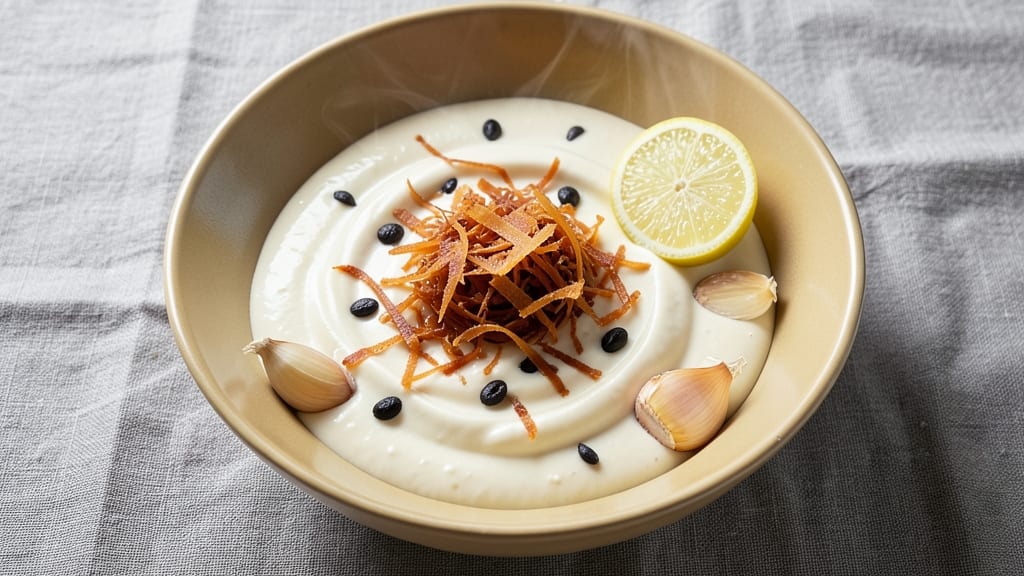
This buttermilk Caesar salad dressing recipe transforms ordinary salads into restaurant-worthy masterpieces with its perfectly balanced tangy-creamy profile. The secret lies in combining buttermilk's natural acidity with sharp parmesan and anchovy essence—no artificial stabilizers needed.
I've refined this version over years of testing, ensuring every batch delivers that signature velvety texture and bold flavor that clings to romaine like a dream.
The magic happens when you whisk together the buttermilk, mayo, and lemon juice until completely smooth—this creates the creamy base that won't separate. Then comes the parmesan, which we grate ourselves for maximum flavor impact, and the anchovy paste that adds that unmistakable umami depth.
What sets this apart is the proper balance: too much lemon makes it sharp, too little mayo makes it thin, but this ratio nails it every time.
What you'll end up with is a dressing so rich and well-rounded it elevates even simple greens to gourmet status. The buttermilk keeps it tangy without being sour, while the parmesan adds that perfect salty finish.
This isn't your grandmother's Caesar—it's a professional-quality dressing that stays creamy even after sitting in your fridge for days.
Whether you're dressing classic romaine salads, Caesar wraps, or even drizzling it over grilled chicken, this recipe delivers consistent, restaurant-quality results. The best part? It takes just 5 minutes to make and keeps its perfect texture for up to a week when stored properly.
Let's get started on creating your new favorite dressing.
Ingredients for buttermilk caesar salad dressing
Nine ingredients. Five minutes. Restaurant-quality Caesar dressing that stays creamy all day.
| Ingredient | Amount | Notes |
|---|---|---|
| Buttermilk 🥛 | ½ cup | Full-fat for best creaminess |
| Mayonnaise 🥫 | ½ cup | High-quality, not low-fat |
| Lemon Juice 🍋 | 1 tbsp | Freshly squeezed, not bottled |
| Parmesan Cheese 🧀 | ½ cup | Freshly grated, high-quality |
| Anchovy Paste 🐟 | 1 tbsp | High-quality, not powdered |
| Garlic Cloves 🧄 | 2 cloves | Minced, fresh not jarred |
| Dijon Mustard 🌶️ | ½ tsp | Mild, not spicy |
| Worcestershire Sauce 🍶 | 1 tsp | Vegetarian-friendly version |
| Black Pepper 🌶️ | ½ tsp | Freshly ground, coarse |
| Olive Oil 🫒 | ¼ cup | Extra-virgin, fruity |
The Parmesan and anchovies are non-negotiable here. Grab a wedge of Parmigiano-Reggiano from the deli counter—pre-grated stuff has fillers that ruin the texture. For anchovies, Branca or Colosio are my go-tos, but any high-quality brand works. The buttermilk needs to be full-fat (the good stuff, not the low-fat version)—it's what gives that signature tang without making the dressing curdle. I always buy mine from Whole Foods or Trader Joe's since those stores keep it cold and fresh. Pro tip: if your buttermilk smells sour, toss it—it's gone bad.
No anchovies? Two teaspoons of soy sauce plus a dash of fish sauce mimics that umami punch (just make sure it's vegetarian-friendly). Running out of Dijon? Yellow mustard at half the amount works in a pinch. The Worcestershire sauce should be vegetarian—regular versions contain anchovies. For the garlic, fresh is a must—jarred garlic has no flavor. Want extra richness? Add one tablespoon of cream cheese to the mix. The olive oil matters too—skip the cheap stuff. A good extra-virgin oil makes this dressing taste like it came from a fancy restaurant.
This dressing stays perfect for up to 1 week in the fridge, sealed tightly in a jar. To keep it from separating, give it a quick whisk before each use. For extra-long storage, freeze portions in ice cube trays—thaw and whisk when ready. I always make double batches because it disappears so fast. The leftovers? Drizzle over grilled chicken, toss with pasta, or use as a dip for bread. Trust me, you'll want to make this every week.
Why You'll Love This Recipe
- No Fuss, No Mess: I swear by this recipe because it’s the kind of dressing that comes together while you’re still deciding what to eat for dinner. Just whisk buttermilk, mayo, and lemon juice—no straining, no fancy techniques—then fold in that salty punch of Parmesan and anchovies. The only cleanup is the bowl.
- Umami Bomb: That anchovy paste might sound intimidating, but it’s the secret weapon here. It cuts through the richness of the mayo and buttermilk, giving you that deep, savory kick that makes you want to pour it on everything—even toast. Honestly, I’ve drizzled it over grilled chicken just to see what happens.
- Weeknight to Party: This dressing is my go-to for lazy nights and when I’m hosting. Toss it with greens for a quick salad, or use it as a dip for those sad, wilted veggies in your fridge. (Yes, even on a Tuesday night.) And between us? It’s the only Caesar dressing that doesn’t taste like it came from a jar.
- Budget Magic: Parmesan and anchovies might sound fancy, but they stretch farther than you’d think. A little goes a long way, and the buttermilk keeps it from being too heavy—so you can make a big batch without breaking the bank. I’ve had this last in my fridge for days, and it’s still the star of the show.
Step-by-step instructions for buttermilk Caesar dressing
Here's how to create the creamiest, most balanced Caesar dressing you've ever tasted—where tangy buttermilk meets rich Parmesan perfection.
Whisk Together the Creamy Base
In a medium bowl, combine the 0.5 cup buttermilk and 0.5 cup mayonnaise. Using a whisk, blend these two ingredients until completely smooth—you're looking for a uniform, velvety texture without any streaks. The buttermilk adds that signature tang while the mayo provides the rich, creamy foundation. Don't rush this step; take 30 seconds to ensure everything is fully incorporated.
Here's the thing—if your buttermilk has separated, give it a quick stir before adding to the mayo. The consistency should be thick but pourable, like heavy cream. This base is the heart of your dressing, so getting it right ensures the perfect balance of creaminess and tang throughout.
Add the Flavor Boosters
Next, stir in the 1 tbsp lemon juice, 1 tbsp anchovy paste, and 0.5 tsp Dijon mustard. The lemon juice brightens the flavor, the anchovy paste adds that unmistakable umami depth, and the mustard ties everything together with a subtle tang. Mix well for about 1 minute until these ingredients are completely dissolved and evenly distributed.
I like to press the anchovy paste through a fine-mesh strainer as I add it to avoid any lumps—this ensures a silky texture. If you're using fresh lemon juice, give it a quick taste first; sometimes the acidity varies between lemons. Adjust slightly if needed, but we'll balance it further in the next step.
Incorporate the Aromatics and Seasonings
Add the 2 cloves minced garlic, 1 tsp Worcestershire sauce, and 0.5 tsp freshly ground black pepper to the bowl. Stir vigorously for about 2 minutes, scraping the bottom and sides of the bowl to incorporate any settled ingredients. The garlic should be fully dispersed—no visible flecks—so the flavor is evenly distributed throughout.
This is where the magic happens. The Worcestershire sauce adds a complex, savory depth, while the black pepper provides a subtle heat that wakes up all the other flavors. If you're using jarred minced garlic, drain it well first to avoid adding excess liquid that could thin out your dressing.
Finish with the Parmesan and Olive Oil
Gradually whisk in the 0.5 cup freshly grated Parmesan cheese and 0.25 cup extra-virgin olive oil, adding them alternately in small amounts. Start with the Parmesan, mixing until it's fully incorporated, then add a splash of olive oil. Continue this process until both ingredients are completely blended. The dressing should now have a luxurious, velvety consistency with a beautiful golden hue.
Here's the crucial part: taste as you go. The dressing should be tangy but not sour, rich but not heavy, and perfectly balanced. If it needs more acidity, add a tiny splash of lemon juice. If it's too thick, thin it with 1-2 teaspoons of water or additional olive oil. Remember, you can always adjust, but you can't un-grate cheese or un-emulsify mayo once it's mixed in.
Rest and Adjust for Perfection
Cover the bowl and let the dressing rest at room temperature for 10-15 minutes. This resting period allows all the flavors to meld together and the texture to fully emulsify. After resting, give it one final taste and adjust the seasoning if needed—this is your last chance to get it just right.
For the perfect Caesar experience, toss this dressing with crisp romaine lettuce, toasted croutons, and a sprinkle of additional Parmesan. The dressing should cling beautifully to the lettuce without making it soggy, and each bite should deliver that perfect balance of tangy, creamy, and umami flavors. Trust me, this is the dressing that will have everyone asking for your recipe!
Pro Tips For Making Buttermilk Caesar Salad Dressing
- Whisk in stages: Don’t dump everything at once—start with the buttermilk and mayo, then slowly add lemon juice while tasting. The anchovy paste and Parmesan need to dissolve properly, and rushing this step can make the dressing separate later. I learned this after making a batch that looked curdled instead of creamy.
- Grate Parmesan fresh: Pre-shredded cheese has anti-caking agents that make the dressing grainy. Use a microplane or fine grater and measure by weight (about ½ cup = 50g) for consistency. Yes, it takes 30 seconds extra, but the texture makes a real difference.
- Mix anchovy paste well: Don’t just stir—press the paste through a fine-mesh sieve or whisk it vigorously into the warm buttermilk first. This prevents clumps that turn your dressing into a textured mess. I was skeptical until I tried it—now I never skip it.
- Chill before serving: Let the dressing sit in the fridge for at least 30 minutes before tossing with salad. The flavors meld, and the buttermilk’s tang mellows slightly. Serving it straight from mixing means a sharper, less balanced bite—trust the process.
Regional styles of this buttermilk caesar salad dressing
Classic Roman Style
The original Caesar salad dressing from Rome was far simpler than today's versions—just olive oil, lemon juice, garlic, and a touch of salt. I love making a Roman-inspired version by reducing the mayo to ¼ cup and replacing it with ½ cup extra-virgin olive oil.
Add 1 extra garlic clove and ½ tsp red pepper flakes for that traditional kick. This lighter version pairs beautifully with shaved Parmesan and crisp endive leaves instead of romaine. 🌿
Southern U.S. Twist
In the American South, Caesar dressing often gets a smoky, spicy upgrade. Swap the Worcestershire sauce for 2 teaspoons of hot sauce (like Crystal or Tabasco) and add ½ teaspoon smoked paprika to the base.
Some Southern chefs even use buttermilk biscuit crumbs instead of croutons. This version works perfectly with grilled chicken or fried catfish on the side. 🔥
Italian-American Fusion
The Italian-American version—popularized by Caesar Cardini in the 1920s—is what we know today. To capture that authentic vibe, use Parmigiano-Reggiano exclusively (no Grana Padano) and add 1 teaspoon of anchovy fillets instead of paste.
For extra richness, fold in 1 tablespoon of cream cheese at the end. This is the dressing I grew up with—bold, briny, and perfect for a classic Caesar salad with garlic toast. 🧀
Modern Vegan Adaptation
For a plant-based version, replace the buttermilk with ½ cup unsweetened almond milk mixed with 1 tablespoon apple cider vinegar and 1 tablespoon nutritional yeast (for that umami kick). Use vegan mayo (like Hellmann's Vegan) and skip the anchovies—substitute with 2 teaspoons soy sauce.
This version still delivers that creamy texture and tangy flavor, just without the dairy or fish. It's a game-changer for vegan Caesar salads! 🌱
French-Inspired Variation
In France, Caesar dressing often gets a Dijon mustard boost and a touch of white wine vinegar. Reduce the lemon juice to ½ tablespoon and add 1 teaspoon white wine vinegar plus 1 extra teaspoon Dijon mustard.
Some French chefs also add ½ teaspoon of grated horseradish for a subtle peppery bite. This version pairs beautifully with butter lettuce and toasted baguette strips instead of croutons. 🍷
Nutrition facts
Frequently asked questions
Why does my Caesar dressing separate after mixing?
Separation usually happens when ingredients aren't fully emulsified or when the buttermilk curdles. Always whisk the buttermilk and mayo together until completely smooth before adding other ingredients. If it separates later, whisk in 1-2 teaspoons of olive oil or a splash of cold water to restore creaminess. For extra insurance, add ingredients gradually while whisking continuously.
Can I make this dressing without anchovies? For anchovy-free versions, substitute with 2 teaspoons soy sauce plus ½ teaspoon fish sauce (vegetarian-friendly) or 1 teaspoon capers finely chopped. The key is replicating that umami depth—these substitutes work beautifully. Just
How long will this dressing keep in the fridge?
This buttermilk Caesar stays fresh for up to 1 week when stored properly in an airtight container. The buttermilk base actually improves after 24 hours as flavors meld. For longer storage, freeze portions in ice cube trays—thaw and whisk before using. Always give it a quick whisk before serving to restore that velvety texture.
What's the best way to store leftover dressing?
Transfer leftovers to a clean, airtight glass jar and press plastic wrap directly on the surface to prevent oxidation. Store in the fridge at 40°F or below. For best results, use within 5-7 days. If you notice any separation, whisk vigorously before using—it should come back together beautifully. The buttermilk helps preserve freshness longer than traditional mayo-based dressings.
Can I use this dressing on foods other than salads?
This versatile dressing works beautifully beyond salads! Drizzle over grilled chicken, steak sandwiches, or baked potatoes. It also makes an excellent dip for garlic bread or veggie sticks. For pasta, toss with penne and add extra Parmesan. The rich, tangy flavor complements proteins and carbs equally well—just adjust thickness with olive oil or water as needed.