
Side Dishes
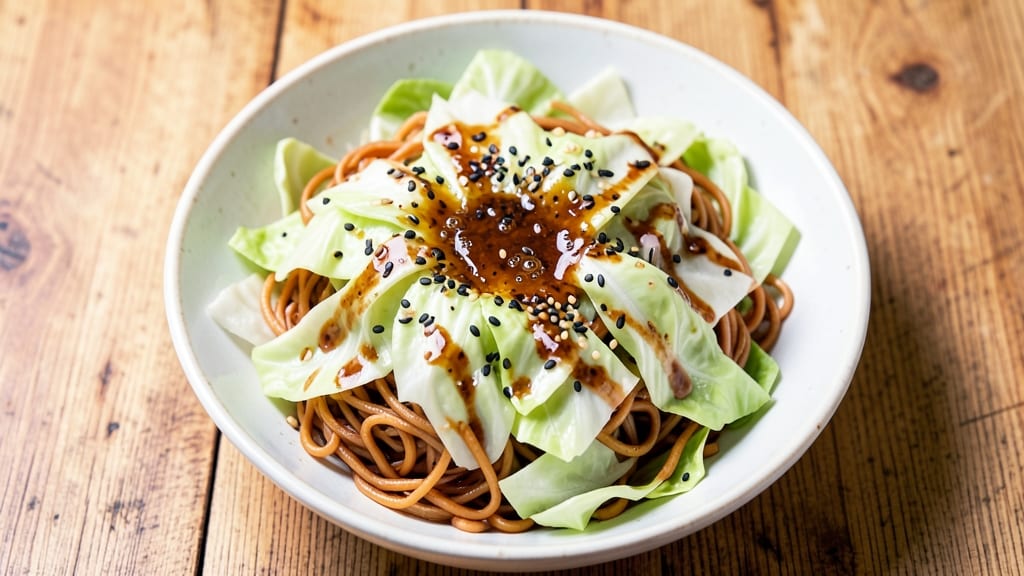
This Chinese cabbage salad recipe with ramen noodles transforms a simple side into a satisfying, textured dish that balances crisp freshness with hearty comfort. The secret lies in combining delicate Chinese cabbage with chewy ramen noodles, creating a fusion that’s both familiar and exciting.
I developed this recipe after craving something that felt like a cross between a fresh salad and a warm bowl of ramen—something that delivers crunch, flavor, and substance in every bite.
The beauty of this dish is its versatility. You can serve it cold as a refreshing side or warm the noodles separately for a heartier meal. The cabbage stays crisp when tossed with a tangy dressing, while the ramen noodles absorb just enough flavor to enhance their natural chewiness.
It’s a foolproof way to elevate a basic salad into something memorable, perfect for weeknight dinners or meal prep.
What makes this recipe stand out is the perfect harmony of textures and flavors—crunchy cabbage, tender noodles, and a dressing that’s both bright and savory. The result is a dish that’s light enough for summer but hearty enough to satisfy any craving.
Whether you’re looking to add a twist to your usual salad routine or create a unique fusion dish, this recipe delivers.
Ready in just 15 minutes, this dish is quick to prepare but feels like a special treat. The best part? It’s customizable—add proteins like grilled chicken or shrimp, or swap in different vegetables to suit your taste. Let’s bring this crunchy noodle twist to your table.
Ingredients for chinese cabbage salad recipe ramen noodles
Here's what you need to create this crunchy, flavorful Chinese cabbage ramen noodle fusion—simple ingredients with big flavor impact.
| Ingredient | Amount | Notes |
|---|---|---|
| Chinese Cabbage (Napa Cabbage) 🥬 | 8 cups | Thinly sliced, core removed |
| Ramen Noodles 🍜 | 6 oz | Uncooked, any flavor preferred |
| Sesame Oil 🫒 | 1 tbsp | For authentic aroma |
| Rice Vinegar 🍶 | ½ cup | For tangy brightness |
| Soy Sauce 🍶 | 3 tbsp | Use low-sodium for balance |
| Sesame Seeds 🌾 | 2 tbsp | Toasted for extra crunch |
| Garlic Cloves 🧄 | 3 cloves | Minced for bold flavor |
| Ginger Root 🌿 | 1 tbsp | Freshly grated, zesty kick |
| Honey 🍯 | 1 tbsp | Balances tanginess |
| Vegetable Oil 🫒 | 2 tbsp | For cooking noodles |
| Red Pepper Flakes 🌶️ | ½ tsp | Optional for heat |
| Salt 🧂 | 1 tsp | Adjust to taste |
| Green Onions 🧅 | 3 whole | Thinly sliced, for garnish |
The Chinese cabbage is the star here—look for vibrant, crisp heads at Asian markets or your grocery store's produce section. Napa cabbage works best, but regular green cabbage in a pinch. Thinly slicing it (about 1/8-inch) keeps it crisp. Ramen noodles? Any brand works, but the chewier the better—Nissin or Maruchan are solid choices. For the sesame oil, grab the toasted kind from the international aisle—it's worth the extra few bucks for that nutty aroma. If you're feeling fancy, toast your own sesame seeds in a dry pan for 2 minutes—they'll be so much better than the pre-toasted stuff.
No sesame oil? Neutral oil plus a pinch of ground sesame gets you close. Fresh ginger and garlic are ideal, but jarred minced ginger works in a bind (just double the amount). The honey balances the tangy dressing—agave works too if you're avoiding refined sugar. For extra crunch, add some crushed peanuts or fried shallots. The red pepper flakes are totally optional, but if you're adding protein like shrimp or chicken, they help cut through the richness. Pro tip: Taste as you go—this dressing is meant to be bright, not overpowering.
This salad keeps best when stored in airtight containers—the cabbage stays crisp for 3 days in the fridge. The noodles? Cook them separately and add them fresh to avoid sogginess. For meal prep, store the dressing and cabbage separately and toss just before serving. The flavor actually improves overnight as everything melds. Want to make it ahead? Cook the noodles al dente, cool them quickly in ice water, then store them separately—they'll reheat perfectly when you're ready to serve.
Why You'll Love This Recipe
- No-Chop Night Win: I swear by this when I’m too tired to julienne—just halve the cabbage, slice thick, and toss. The noodles cook in 4 minutes, and the dressing (sesame oil + rice vinegar + soy) comes together while the water boils. Honestly, this is my "I have nothing else" go-to, and it never lets me down.
- Umami Crunch Bomb: That first bite? Crisp cabbage cutting through warm noodles, with the dressing clinging like a perfect hug. The sesame oil adds nutty depth, while the soy and vinegar balance it out—salty, tangy, and just a little funky. It’s the kind of flavor that makes you pause mid-bite, and I’ll take that over "good" any day.
- Lunchbox Legend: Between us, this is my meal prep MVP. Pack it cold for work—cabbage stays crisp, noodles hold shape—and it’s still exciting to eat. My kids actually finish their lunches when I send this in containers (yes, even on a Tuesday). Pro tip: Add a fried egg on top for extra protein.
- Pantry Magic: I make this when I’m low on groceries but need something satisfying. Ramen noodles are cheap, cabbage lasts forever, and the dressing costs pennies. Leftovers? Even better cold the next day—just toss with a little extra sesame oil. It’s the kind of recipe that proves you don’t need fancy ingredients for a meal that feels special.
Step-by-step instructions for crispy ramen noodle Chinese cabbage salad
Here's how to transform simple ingredients into a vibrant, crunchy salad that keeps all the bold flavors of classic kimchi but with a refreshing twist.
Prepare the Chinese Cabbage
Start by rinsing the 8 cups Chinese cabbage (Napa cabbage) thoroughly under cold water to remove any dirt from the leaves. Gently separate the leaves and remove the thick core from each leaf. I like to cut the cabbage into bite-sized pieces—about 2-3 inches wide—so they're easy to eat and hold up well in the salad. Place the prepared cabbage in a large mixing bowl.
Next, add the 1 tbsp freshly grated ginger root and 3 cloves minced garlic to the cabbage. Massage the cabbage with your hands for about 2 minutes—this helps break down the fibers slightly and ensures the cabbage absorbs all the flavors. You'll notice the cabbage wilting slightly as you work, which is perfect for that tender-crisp texture we want.
Cook the Ramen Noodles
Bring a pot of water to a rolling boil and add 1 tsp salt. Once boiling, add the 6 oz ramen noodles and cook according to package instructions—usually about 2-3 minutes for al dente texture. Drain the noodles immediately in a colander and rinse them under cold water for 10-15 seconds to stop the cooking process and remove excess starch.
While the noodles are still warm, transfer them to the mixing bowl with the cabbage. Add the 2 tbsp vegetable oil and toss everything together. The oil will help keep the noodles from sticking and adds a pleasant mouthfeel. Let the mixture sit for 5 minutes to allow the flavors to meld slightly—this is where the magic happens!
Create the Flavorful Dressing
In a small bowl, whisk together the 0.5 cup rice vinegar, 3 tbsp soy sauce, 1 tbsp honey, and 0.5 tsp red pepper flakes (if using). This combination creates a perfect balance of tangy, savory, and slightly sweet flavors. Taste the dressing before adding it to the salad—you might want to adjust the sweetness or heat to your preference.
Slowly pour the dressing over the cabbage and noodle mixture, tossing gently but thoroughly to coat everything evenly. The cabbage should be glossy and vibrant, and the noodles should be well-coated without being soggy. If the mixture looks too dry, add 1-2 tablespoons of water to help distribute the dressing evenly.
Toast the Sesame Seeds and Finish
Heat a dry skillet over medium-low heat and add the 2 tbsp sesame seeds. Toast them for 2-3 minutes, stirring constantly, until they turn a rich golden brown color and release their nutty aroma. This step is crucial—it enhances their flavor and adds that satisfying crunch to the salad.
Remove the skillet from heat and let the sesame seeds cool for 1 minute. Then, sprinkle them evenly over the salad. Finally, thinly slice the 3 whole green onions and scatter them on top for a fresh, bright finish. Serve immediately while the noodles are still crisp and the cabbage has that perfect tender-crisp bite.
Serve and Enjoy
Transfer the salad to serving bowls and give it one final toss before serving. The flavors should be well-balanced—tangy from the rice vinegar, savory from the soy sauce, with a touch of sweetness from the honey and a hint of spice from the red pepper flakes. The toasted sesame seeds and green onions add texture and freshness that make this salad truly special.
This dish comes together in about 20 minutes and keeps well in the refrigerator for 2-3 days, making it perfect for meal prep. The longer it sits, the more the flavors meld together, so it actually tastes even better the next day! Pair it with grilled meats or a simple miso soup for a complete meal.
Pro Tips For Making Chinese Cabbage Salad Recipe Ramen Noodles
- CHOP CABBAGE THIN: I learned this the hard way—thick, uneven slices stay crunchy in spots and get soggy in others. Aim for paper-thin shreds (about 1/8-inch) so every bite has that perfect bite, and toss them immediately after cutting to keep them crisp. If you’re impatient like me, use a mandoline—just watch your fingers.
- COOK NOODLES AL DENTE: Ramen noodles go from perfect to mushy fast. Pull them out the second they’re just tender (about 2 minutes less than package instructions) and rinse in ice water for 30 seconds. This stops cooking instantly and keeps them from turning into a gluey mess when mixed with the dressing.
- SALT THE CABBAGE FIRST: Toss shredded cabbage with 1/2 teaspoon salt and let it sit for 10 minutes before draining. This draws out moisture, so when you add the dressing later, it won’t turn into a sad, watery salad. (Yes, even if you’re in a hurry—just set a timer.)
- DRESS WITH SESAME OIL LAST: Sesame oil burns off fast and tastes bitter if heated. Wait until the noodles and cabbage are fully mixed, then drizzle it in at the very end. Start with 1 teaspoon—you can always add more, but you can’t take it out. Trust me, this is the thing that matters most for that authentic umami punch.
Common mistakes when making this recipe
Overcooking Noodles
One of the biggest mistakes is overcooking the ramen noodles, which turns them mushy and ruins the dish's texture. Always follow package instructions for 2-3 minutes of al dente cooking, then rinse immediately in cold water. I’ve learned the hard way—overcooked noodles make the salad soggy and unappetizing. 🔥
Skipping the Massage
Don’t skip massaging the cabbage with garlic and ginger! This step softens the cabbage slightly, helping it absorb the dressing better. I’ve made this salad without massaging, and the result was a dry, crunchy mess. Spend 2 minutes working the cabbage with your hands—it’s worth it!
Using Raw Sesame Oil
Raw sesame oil has a strong, pungent flavor that overpowers the delicate cabbage. Always use toasted sesame oil for aroma and flavor balance. If you’re out, toast 1 tsp sesame seeds in a dry pan for 30 seconds, grind them, and mix with neutral oil.
This trick saves the day in a pinch!
Dressing Too Early
Adding dressing to the cabbage before toasting the sesame seeds or slicing the green onions makes them soggy. Wait until the very end to toss everything together—this keeps the crunch intact. I’ve ruined this salad by rushing, and the texture suffered. Patience pays off here!
Ignoring the Rest Time
Letting the salad sit for 5 minutes after mixing allows flavors to meld. Skipping this step means a disjointed taste. Trust the process—it’s the secret to a cohesive, restaurant-quality dish. 💡
Overloading the Salad
Adding too many toppings (like extra veggies or proteins) dilutes the flavors. Stick to the basic ingredients—cabbage, noodles, and dressing—and let them shine. I’ve overcomplicated this salad before, and it lost its balance. Less is more!
Nutrition facts
Frequently asked questions
Can I use regular green cabbage instead of Chinese cabbage?
You can substitute, but the texture will differ. Chinese cabbage (Napa) is more tender and slightly sweeter, while green cabbage stays crunchier but can be more fibrous. For best results, thinly slice green cabbage and massage it for 3-4 minutes to soften the fibers. The flavor will be more neutral, so add an extra ½ tsp honey to balance the dressing.
How do I make this salad spicier?
For extra heat, increase the red pepper flakes to 1 tsp or add ½ tsp gochujang (Korean chili paste) to the dressing. For a smoky kick, stir in ½ tsp smoked paprika with the sesame seeds. Always taste as you go—start with half the amount and adjust to preference.
Can I make this ahead of time?
Yes! Store the dressed cabbage (without noodles) in an airtight container for 2 days in the fridge. Cook noodles fresh and toss them in just before serving to maintain crispness. For meal prep, store dressing separately and combine when ready. The flavors actually improve overnight as the cabbage absorbs more dressing.
What's the best way to reheat the noodles if I want a warm salad?
Gently reheat noodles in a dry skillet over low heat for 1-2 minutes with 1 tsp sesame oil, stirring constantly. Add a splash of water to prevent sticking. Toss with cooled cabbage and dressing just before serving. For extra flavor, sprinkle with toasted sesame seeds and green onions after reheating.
Can I add protein to this salad?
Grilled shrimp, chicken, or tofu work beautifully. Cook protein separately and add it warm to the salad just before serving. For shrimp, sauté with 1 tsp garlic and ½ tsp ginger for 2-3 minutes until pink. Let cool slightly before adding to maintain the cabbage's crunch. The protein adds heartiness while keeping the dish balanced.